

Google September 2026 Spam Update शुरू: Website Owners और SEO Professionals को क्या करना चाहिए?
Google ने September 2026 spam update का global rollout शुरू कर दिया है। यह सभी देशों और भाषाओं पर लागू है तथा पूरा होने में दो सप्ताह तक लग सकते हैं। जानिए rankings बदलने पर क्या जांचें, किन spam practices से बचें और recovery के लिए सही action plan क्या है।
Google ने September 2026 spam update का rollout शुरू कर दिया है। Google Search Status Dashboard के अनुसार update 24 सितंबर 2026 को सुबह 09:15 PDT पर शुरू हुआ। यह update दुनिया भर में और सभी भाषाओं के search results पर लागू है। Google ने यह भी बताया है कि rollout पूरा होने में दो सप्ताह तक लग सकते हैं।
इस दौरान website rankings, impressions, clicks और search visibility में उतार-चढ़ाव दिख सकता है। लेकिन हर traffic drop को spam update का परिणाम मान लेना सही नहीं है। Technical error, seasonal demand, tracking problem, competitors के बदलाव, indexing issue या website downtime भी traffic को प्रभावित कर सकते हैं। इसलिए panic में pages delete करने या पूरी website बदलने से पहले data-based diagnosis जरूरी है।
यह article किसी news publication का translation नहीं है। AFShop ने Google के official Search Status Dashboard, Search spam policies और generative AI content guidance के आधार पर एक स्वतंत्र तथा practical Hindi guide तैयार की है।
September 2026 Spam Update: मुख्य जानकारी
| बिंदु | Official जानकारी |
|---|---|
| Update का नाम | September 2026 spam update |
| शुरू होने का समय | 24 September 2026, 09:15 PDT |
| प्रभावित क्षेत्र | Google Search ranking systems |
| Coverage | Global और सभी languages |
| Rollout duration | पूरा होने में दो सप्ताह तक लग सकते हैं |
| Specific target | Google ने announcement में किसी एक spam tactic को specific target नहीं बताया |
अंतिम बिंदु बहुत महत्वपूर्ण है। Online discussions में लोग इसे AI content, link spam या किसी खास industry से जोड़ सकते हैं, लेकिन Google की official announcement केवल global spam update की पुष्टि करती है। जब तक Google कोई specific detail न दे, किसी एक cause को निश्चित बताना speculation होगा।
Google Spam Update क्या होता है?
Google अपने automated systems और जरूरत पड़ने पर human review की मदद से ऐसी websites और pages पहचानने की कोशिश करता है जो users को वास्तविक value देने की जगह search rankings manipulate करना चाहते हैं। Spam update इन detection systems में improvements ला सकता है ताकि policy-violating content नीचे जाए और useful तथा trustworthy results को बेहतर visibility मिले।
Spam update और core update एक जैसी चीज नहीं हैं। Core update Google के broader ranking systems और content evaluation को adjust कर सकता है। Spam update का focus Google की spam policies के खिलाफ practices की detection पर होता है। दोनों के दौरान ranking movement हो सकती है, लेकिन diagnosis और recovery approach अलग हो सकती है।
Rollout के दौरान rankings क्यों बदलती हैं?
Large update एक ही पल में सभी data centers, queries और languages पर समान रूप से settle नहीं होता। Rollout के दौरान systems signals process करते हैं और search results बदल सकते हैं। इसलिए किसी keyword का rank आज नीचे, अगले दिन ऊपर और फिर दोबारा अलग position पर दिख सकता है।
Daily fluctuations देखकर हर बार title, URL या content बदलना नुकसान कर सकता है। बेहतर approach यह है कि Search Console में query, page, country और device level trends देखें। Rollout पूरा होने के बाद भी कुछ दिन का stable data मिलने दें, फिर meaningful comparison करें।
Google किन practices को spam मानता है?
Google की spam policies कई तरह की manipulative practices को cover करती हैं। हर site पर सभी issues लागू नहीं होते, लेकिन website owners को अपनी पूरी content और technical setup audit करनी चाहिए।
1. Scaled Content Abuse
जब बड़ी संख्या में pages मुख्य रूप से rankings manipulate करने के लिए बनाए जाते हैं और users को original value नहीं देते, तो इसे scaled content abuse माना जा सकता है। Content humans, automation या generative AI में से किसी भी तरीके से बना हो—मुख्य सवाल creation method नहीं, बल्कि purpose और value है।
उदाहरण के लिए हजारों city pages बनाना जिनमें केवल city name बदला हो और बाकी content लगभग समान हो, users के लिए उपयोगी नहीं हो सकता। इसी तरह अलग websites से content जोड़कर बिना analysis, verification या unique benefit के publish करना risky है।
2. Scraped या Slightly Rewritten Content
दूसरी website का article copy करके, synonyms बदलकर या automatic translation करके publish करना original value नहीं बनाता। Source link देने भर से copied page useful नहीं हो जाता। Independent explanation, verified facts, examples, comparison, local context और editorial judgement जोड़ना जरूरी है।
3. Site Reputation Abuse
जब third-party content किसी established website पर मुख्य रूप से उस domain के पुराने ranking signals का फायदा उठाने के लिए publish किया जाता है, तो यह site reputation abuse हो सकता है। केवल third-party author या affiliate link होना violation नहीं है। Problem तब होती है जब unrelated या low-quality content को host domain की authority exploit करने के लिए रखा जाए।
4. Expired Domain Abuse
किसी expired domain को खरीदकर उसके पुराने reputation signals के सहारे unrelated और low-value content rank कराने की कोशिश expired domain abuse हो सकती है। Domain history relevant होना अपने आप में problem नहीं है; manipulative repurposing मुख्य issue है।
5. Doorway Abuse
ऐसे बहुत सारे similar pages जो अलग keywords, cities या regions को target करते हैं लेकिन users को अंत में एक ही destination या service पर भेजते हैं, doorway abuse हो सकते हैं। हर location page पर genuinely local data, distinct purpose और useful details होनी चाहिए।
6. Cloaking और Hidden Content
Search engine को अलग content और users को अलग content दिखाना cloaking है। White background पर hidden keywords, off-screen links या केवल crawler के लिए text जोड़ना manipulative है। Accordion, tabs या screen-reader text जैसे legitimate UX patterns सामान्यतः hidden text abuse नहीं होते, जब उनका उद्देश्य users की मदद करना हो।
7. Link Spam
Ranking manipulate करने के लिए paid links, excessive link exchanges, automated links या keyword-rich anchor links बनाना link spam के दायरे में आ सकता है। Sponsored, affiliate और user-generated links को appropriate attributes तथा editorial control के साथ manage करना चाहिए।
8. Thin Affiliate Pages
Merchant की product title और description copy करके केवल affiliate button जोड़ देना thin affiliation हो सकता है। Useful affiliate site price context, original comparison, buyer guidance, product availability, independent checks और clear navigation जैसे अतिरिक्त benefits दे सकती है।
9. User-Generated Spam
Comments, profiles, forums, listings और public submission forms spam के लिए misuse हो सकते हैं। Website owner को moderation, rate limits, link handling और abuse detection का setup रखना चाहिए। New या untrusted user content को review के बिना index करवाना risky हो सकता है।
10. Hacked Content
Attackers website में hidden pages, malicious scripts, fake support pages या spam redirects inject कर सकते हैं। कभी owner को normal browser में सब ठीक दिखता है, लेकिन Googlebot या search visitors को अलग spam page मिलता है। Security audit, file integrity checks और Search Console alerts इसलिए जरूरी हैं।
क्या AI-generated content automatically spam है?
नहीं। Google की official generative AI guidance के अनुसार AI research और original content को structure करने में useful हो सकता है। समस्या तब बनती है जब automation से बड़ी संख्या में pages ranking manipulation के लिए बनाए जाएं और उनमें accuracy, originality या user value न हो।
AI-assisted content publish करते समय facts verify करें, sources जांचें, practical examples जोड़ें, outdated claims हटाएं और human editorial review करें। Metadata, image alt text और structured data भी page के actual content से match होने चाहिए।
| Responsible AI use | Risky scaled use |
|---|---|
| Research और outline में सहायता | हजारों unreviewed pages auto-publish करना |
| Facts को official sources से verify करना | Unverified numbers और claims publish करना |
| Original examples और expert context जोड़ना | दूसरे articles को paraphrase करके दोहराना |
| Human editing और regular updates | Publish करके pages को कभी review न करना |
| Users के प्रश्न का complete answer | Keywords भरना लेकिन useful answer न देना |
Traffic गिरा है तो सबसे पहले क्या जांचें?
Update का नाम देखकर तुरंत conclusion न लें। नीचे दिया diagnostic order cause अलग करने में मदद कर सकता है।
- Analytics tracking: Google Analytics या दूसरे tracking code में error तो नहीं है?
- Website availability: Server downtime, SSL, DNS या redirect issue तो नहीं आया?
- Search Console manual actions: Security और Manual Actions reports check करें।
- Indexing: Important pages indexed हैं या noindex, robots.txt और canonical बदल गए?
- Date comparison: Update start date के पहले और बाद के समान weekdays compare करें।
- Page groups: पूरा site गिरा है या केवल एक category, template या language?
- Queries: Brand, informational, commercial और local queries अलग-अलग देखें।
- Seasonality: Festival, weather, price या market demand का असर तो नहीं?
- Competitors: SERP में नए results, features या official sources आए हैं?
- Content changes: हाल में mass import, redesign, URL migration या template update हुआ?
Search Console में किस तरह analysis करें?
Performance report में update से पहले का stable period और update के बाद का comparable period चुनें। Rollout चल रहा हो तो final conclusion की जगह observation नोट करें।
- Clicks और impressions दोनों गिरे: visibility loss की संभावना।
- Impressions stable लेकिन clicks गिरे: CTR, title, SERP layout या intent change देखें।
- Average position गिरी लेकिन traffic stable: high-volume queries अलग से जांचें।
- केवल mobile गिरा: mobile UX, intrusive elements और rendering check करें।
- केवल एक directory गिरी: उस template और content pattern का audit करें।
- Discover या News गिरा: eligibility, freshness, trust और policy compliance देखें।
Performance measurement समझने के लिए AFShop का ecommerce metrics guide useful metrics को business context में explain करता है।
Website audit की practical checklist
| Area | क्या जांचना है? | सही action |
|---|---|---|
| Content originality | Copied, paraphrased या repetitive pages | Unique analysis जोड़ें, weak duplicates merge या remove करें |
| Programmatic pages | केवल keyword/location बदलने वाले templates | Distinct data, local context और useful functionality दें |
| Affiliate content | Merchant description की copy | Comparison, price context और original buyer guidance जोड़ें |
| Internal links | Keyword-stuffed या unrelated links | Natural anchors और relevant navigation रखें |
| User submissions | Spam comments, links और duplicate profiles | Moderation, rate limiting और nofollow/ugc controls |
| Security | Unknown pages, scripts और redirects | Malware scan, credentials rotation और file cleanup |
| Structured data | Markup और visible content mismatch | Accurate schema और Rich Results Test validation |
| Page experience | Slow load, intrusive ads और layout shifts | Core Web Vitals तथा mobile usability सुधारें |
क्या low-quality pages तुरंत delete कर देने चाहिए?
Blindly bulk delete करना सही strategy नहीं है। पहले हर page group का purpose, traffic, backlinks, conversions और replacement value देखें। जिन pages में useful information है उन्हें improve या consolidate किया जा सकता है। जो pages users को कोई value नहीं देते, duplicate हैं और सुधारने का business reason नहीं है, उन्हें remove करके relevant alternative पर appropriate redirect किया जा सकता है।
हर removed URL को homepage पर redirect न करें। Irrelevant redirects soft-404 जैसे signals बना सकते हैं। यदि suitable replacement नहीं है तो genuine 404 या 410 response बेहतर हो सकता है।
Update के दौरान क्या नहीं करना चाहिए?
- एक दिन की ranking देखकर पूरी website redesign न करें।
- Dates छिपाकर पुराने articles को false freshness न दें।
- Traffic वापस लाने के लिए और ज्यादा low-value pages publish न करें।
- Cheap bulk backlinks या private link networks न खरीदें।
- Competitor content copy करके केवल शब्द न बदलें।
- Search bots और users को अलग versions न दिखाएं।
- Manual action नहीं होने पर reconsideration request भेजने की कोशिश न करें।
- Analytics issue को ranking penalty न समझें।
Recovery कैसे होती है?
Google की spam policies violate करने वाले practices हटाने के बाद recovery instant नहीं होती। Automated systems को website दोबारा process करनी पड़ सकती है। कुछ changes जल्दी reflect हो सकते हैं, जबकि broader reassessment में समय लग सकता है। किसी fixed recovery date की guarantee नहीं है।
Recovery का सही तरीका search engine को convince करने के लिए cosmetic edits करना नहीं, बल्कि users के लिए वास्तविक quality सुधारना है। Copied content हटाना, deceptive links साफ करना, hacked pages बंद करना, useful original information जोड़ना और publishing controls मजबूत करना long-term improvement है।
Manual Action और Algorithmic Impact में अंतर
Manual action Google reviewer द्वारा detected policy violation पर लगाया जा सकता है और Search Console में notification दिखाई देती है। Issue fix करने के बाद reconsideration request का option मिल सकता है।
Algorithmic impact automated ranking systems के कारण होता है और इसके लिए अलग notification जरूरी नहीं है। इसमें reconsideration form नहीं होता। Website को policy-compliant और useful बनाना पड़ता है, फिर systems के recrawl और reassessment का इंतजार करना होता है।
News और article websites के लिए खास सावधानियां
News publishers को original reporting, clear authorship, publication और update dates, source transparency तथा editorial accountability पर ध्यान देना चाहिए। दूसरे publication की story को translate करके publish करना अपने आप original journalism नहीं बन जाता। Additional reporting, verified context और reader-focused explanation जरूरी हैं।
Article pages पर author profile, contact information, corrections process और clear site ownership trust बढ़ाते हैं। Headline को sensational बनाने के लिए article से अलग claim नहीं करना चाहिए। Google News visibility के लिए technical eligibility के साथ editorial quality भी जरूरी है।
Ecommerce और affiliate websites क्या सुधारें?
Product pages और deal pages पर merchant feed की copy के अलावा unique value दें। Price history, stock status, seller details, return information, verified reviews, original comparison और clear affiliate disclosure users की मदद करते हैं। Outdated deals और broken links regularly update करें।
Search visibility के changing landscape को समझने के लिए AI Search और Ecommerce SEO trends guide तथा technical performance के लिए website performance metrics guide पढ़ सकते हैं।
Local और location-based pages के लिए guidance
हर city या state page का distinct purpose होना चाहिए। केवल location name और heading बदलना पर्याप्त नहीं है। Local rates, update time, source methodology, relevant FAQs, historical data और location-specific explanation जैसी unique information दें। अगर कई URLs समान user intent serve करते हैं तो उन्हें consolidate करना बेहतर हो सकता है।
Comments और user-generated content को कैसे सुरक्षित रखें?
- New submissions पर rate limits और bot protection लगाएं।
- Links को clickable बनाने से पहले moderation करें।
- Untrusted links पर rel="nofollow ugc" use करें।
- Duplicate comments और keyword stuffing detect करें।
- Spam report button और admin review queue रखें।
- Repeated abuse वाले accounts और IP patterns monitor करें।
- Public profile pages तभी index करें जब उनमें real user value हो।
30-day action plan
पहले 3 दिन: Observe और verify करें
Dashboard status, analytics tracking, server availability और Search Console reports check करें। Update rollout के बीच impulsive sitewide changes न करें। Affected page groups की list बनाएं।
दिन 4 से 10: Pattern audit करें
Duplicate content, programmatic templates, copied descriptions, affiliate pages, user spam, suspicious links और hacked URLs की samples review करें। High-risk patterns को priority दें।
दिन 11 से 20: Quality improvements लागू करें
Weak pages merge करें, original information जोड़ें, bad links हटाएं, editorial review मजबूत करें और technical errors fix करें। Mass superficial editing से बचें।
दिन 21 से 30: Measure और document करें
Search Console annotations, updated page groups, crawl status और conversions compare करें। कौन-सा change क्यों किया गया, उसका log रखें। Ranking से अधिक user engagement और business outcomes देखें।
क्या नई website को चिंता करनी चाहिए?
यदि website useful original content publish करती है, transparent ownership रखती है और manipulative SEO tactics नहीं अपनाती, तो केवल update announcement से डरने की जरूरत नहीं है। नई sites को shortcuts से बचना चाहिए क्योंकि बिना established audience के mass pages या artificial links का temptation ज्यादा हो सकता है।
Quality का अर्थ expensive design नहीं है। Accurate answer, clear navigation, fast page, visible contact details, relevant sources और honest limitations भी strong quality signals हैं।
निष्कर्ष
Google September 2026 spam update 24 सितंबर से worldwide और सभी languages में roll out हो रहा है तथा इसे पूरा होने में दो सप्ताह तक लग सकते हैं। Google ने announcement में किसी एक tactic को target बताने के बजाय general spam update की पुष्टि की है। इसलिए rumours के आधार पर rushed decisions लेने के बजाय official policies और अपने data पर भरोसा करें।
अगर traffic बदला है तो पहले technical, tracking और seasonality issues अलग करें। फिर copied content, scaled low-value pages, site reputation abuse, doorway pages, link spam, thin affiliate content, user spam और security problems का honest audit करें। Long-term recovery का रास्ता users के लिए original value, accurate information और responsible publishing से आता है—quick SEO tricks से नहीं।
Article at a glance
| Written by | Vivaan Patel |
|---|---|
| Published | 27 Sep 2026, 07:30 PM IST |
| Reading time | 15 minutes |
| Topic | Ecommerce research and practical guidance |
Frequently Asked Questions
Google September 2026 spam update कब शुरू हुआ?
Google Search Status Dashboard के अनुसार update 24 September 2026 को 09:15 PDT पर शुरू हुआ।
यह spam update किन देशों और भाषाओं पर लागू है?
Google ने पुष्टि की है कि यह update worldwide और सभी languages के search results पर लागू है।
September 2026 spam update पूरा होने में कितना समय लगेगा?
Official dashboard के अनुसार rollout पूरा होने में दो सप्ताह तक लग सकते हैं।
क्या Google ने बताया है कि update किस specific spam tactic को target करता है?
नहीं। Official announcement में किसी एक tactic का नाम नहीं दिया गया। इसलिए किसी specific target का दावा speculation होगा।
क्या AI-generated content अपने आप spam है?
नहीं। Google के अनुसार AI research और content structure में useful हो सकता है। Ranking manipulate करने के लिए बड़े scale पर low-value pages बनाना scaled content abuse हो सकता है।
Traffic गिरने पर pages तुरंत delete कर देने चाहिए?
नहीं। पहले analytics, server, indexing, manual actions, seasonality और affected page groups की जांच करें। Useful pages को improve या consolidate किया जा सकता है।
Manual action और algorithmic impact में क्या अंतर है?
Manual action Search Console में notification के साथ reviewer द्वारा लगाया जा सकता है। Algorithmic impact automated systems से होता है और उसके लिए reconsideration form जरूरी नहीं होता।
Spam update से recovery कितने समय में होती है?
कोई fixed guarantee नहीं है। Problems fix होने के बाद Google systems को pages recrawl और reassess करने में समय लग सकता है।

Vivaan Patel
SEO and Product Discovery WriterVivaan covers search visibility, structured product information and emerging discovery experiences, translating technical SEO topics into clear guidance for online businesses.
View author profileRead More Blogs
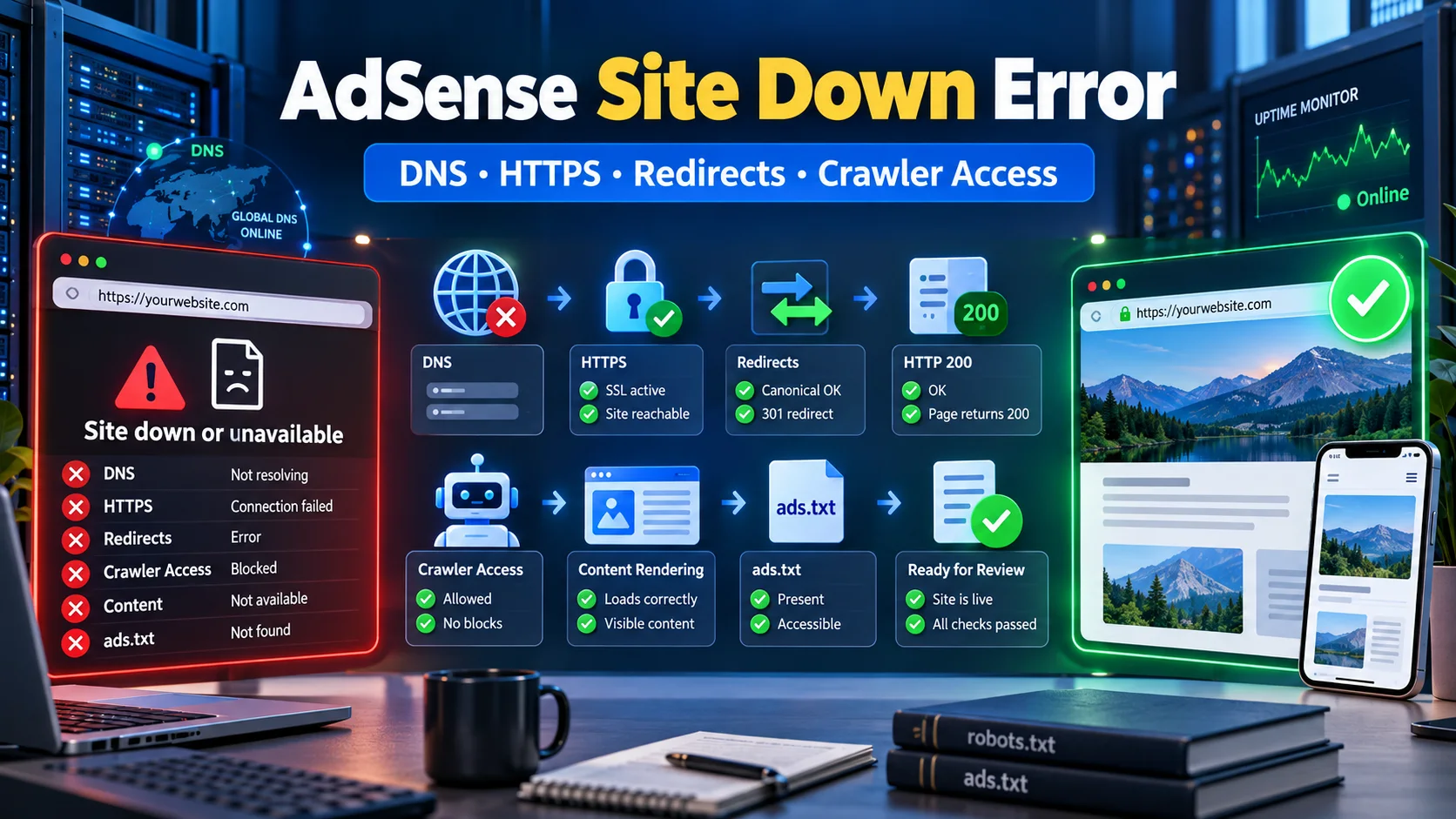
Google AdSense “Site Down or Unavailable” Error कैसे Fix करें? Complete Guide
AdSense review में Site down or unavailable error आने पर DNS, HTTPS, www redirects, HTTP status, robots.txt, firewall, rendering, ads.txt और review readiness को step-by-step diagnose करें।
6 · Read blog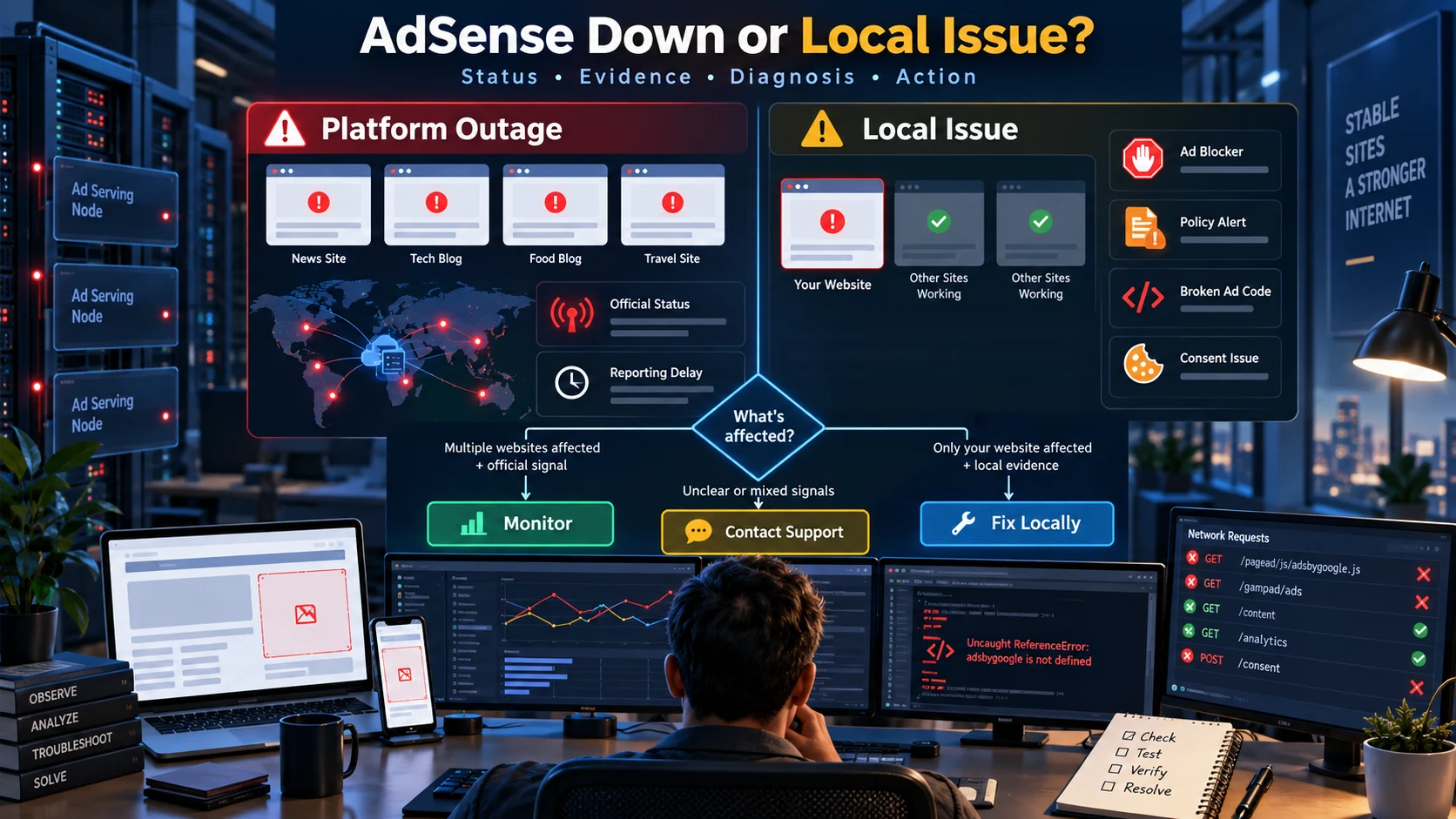
Google AdSense Down है या आपकी Website में Problem? Complete Outage Troubleshooting Guide
AdSense dashboard, ads या reports काम न करें तो platform outage और अपनी website, account, browser या ad code की problem में फर्क कैसे पहचानें—यह practical Hindi incident-response guide पढ़ें।
5 · Read blog
Claude से SEO कराते समय ये 10 गलतियां आपकी Rankings बिगाड़ सकती हैं
Claude keyword research, technical audit और content planning को तेज कर सकता है, लेकिन बिना verification उसके noindex, canonical, sitemap, title और link-building सुझाव rankings को नुकसान पहुंचा सकते हैं। जानिए 10 बड़े risks और सुरक्षित AI SEO workflow।
5 · Read blog
AI Search Engines के लिए Website कैसे Optimize करें? Complete AEO/GEO Guide 2026
Google AI Overviews, AI Mode, ChatGPT Search और Bing में website की discoverability बढ़ाने के लिए technical SEO, content, entities, structured data और measurement की practical Hindi guide।
4 · Read blog
Comments 0
No comments yet. Be the first to share a useful thought.
Leave a comment
Your email address will not be published. Comments are reviewed before appearing. Web addresses are displayed as plain text and are never clickable.