
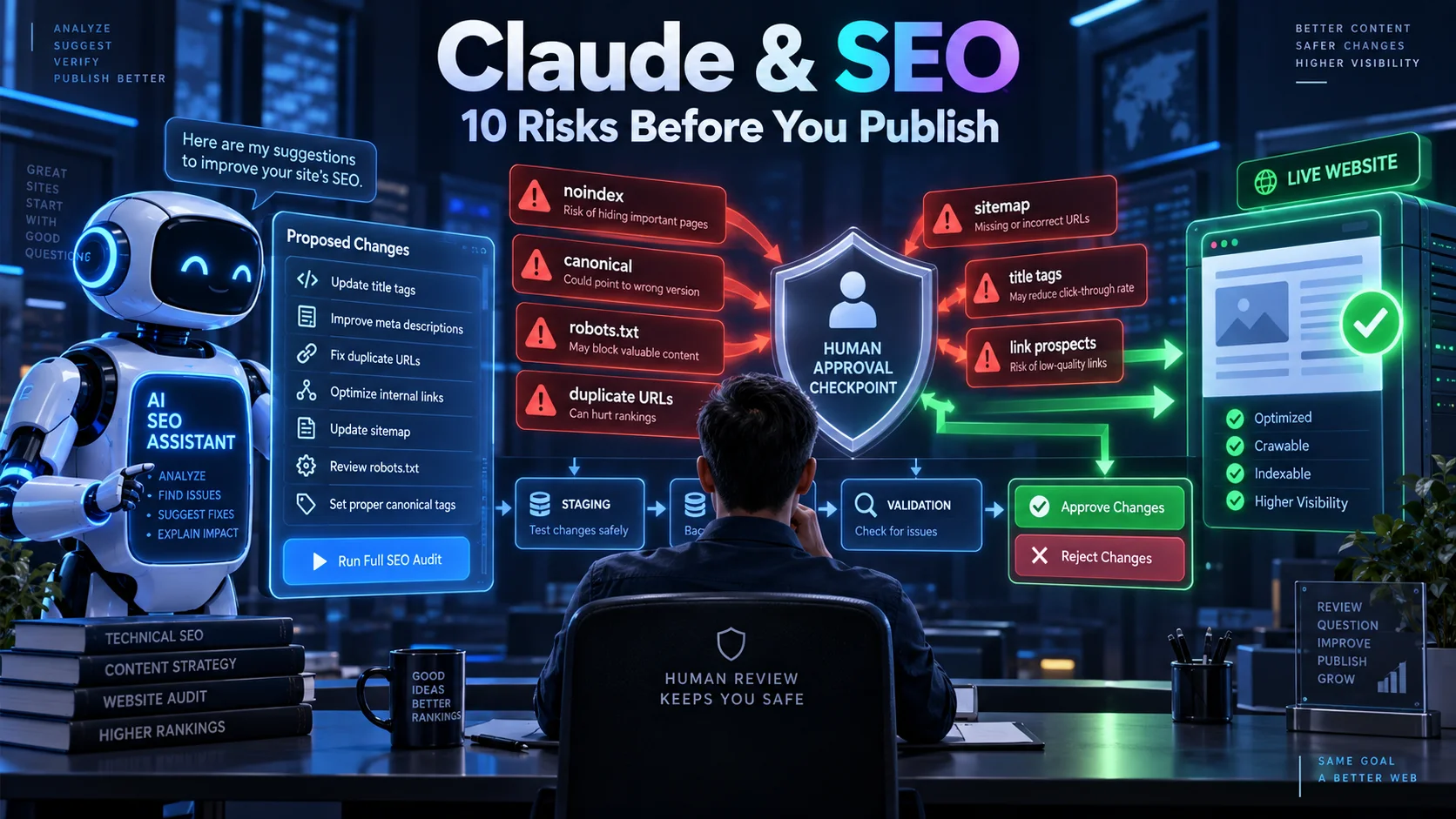
Claude से SEO कराते समय ये 10 गलतियां आपकी Rankings बिगाड़ सकती हैं
Claude keyword research, technical audit और content planning को तेज कर सकता है, लेकिन बिना verification उसके noindex, canonical, sitemap, title और link-building सुझाव rankings को नुकसान पहुंचा सकते हैं। जानिए 10 बड़े risks और सुरक्षित AI SEO workflow।
Claude जैसे AI assistants SEO research, content planning, data analysis और repetitive technical checks को काफी तेज कर सकते हैं। लेकिन तेज output और सही output एक ही चीज नहीं हैं। AI कभी-कभी ऐसा confident recommendation देता है जो सुनने में बिल्कुल professional लगता है, जबकि वह incomplete data या गलत assumption पर आधारित होता है।
सबसे बड़ा risk तब पैदा होता है जब AI को केवल analysis नहीं, बल्कि live website बदलने की permission भी दे दी जाती है। गलत title suggestion आसानी से वापस बदला जा सकता है, लेकिन हजारों pages पर लगा accidental noindex, गलत canonical या robots.txt change organic visibility को गंभीर नुकसान पहुंचा सकता है।
यह guide AI-assisted SEO में technical safety, verification और human review के लिए एक practical workflow प्रस्तुत करती है।
संक्षेप में: Claude SEO में कहां गलती कर सकता है?
| Risk | संभावित नुकसान | Verify कहां करें? |
|---|---|---|
| काल्पनिक technical issue | समस्या न होने पर भी unnecessary development | Rendered page, source code, crawler और server logs |
| गलत local SEO assumption | Existing Business Profile पर गलत action | Actual profile dashboard और ownership access |
| Sitemap/indexing guess | गलत diagnosis और wasted work | Google Search Console |
| Generic title rewrite | CTR और brand messaging कमजोर | SERP, intent, analytics और editorial review |
| Duplicate URLs miss करना | Crawl waste और signals split | Full crawl, canonicals, status codes और content hash |
| Search intent गलत समझना | Useful page merge या delete | Query-level data और live SERP |
| Unnecessary noindex | Valuable page index से बाहर | Business purpose और Search Console URL Inspection |
| Fabricated link prospects | Outreach waste या reputation risk | Real website, contact और relevance checks |
| Incorrect canonical | Wrong URL को preferred version का signal | Duplicate relationship और Google canonical report |
| Sitewide template mistake | पूरे section की visibility खत्म | Staging crawl, diff, approval और production QA |
Claude SEO के लिए useful क्यों है?
Claude बड़ी मात्रा में text और structured data पढ़कर patterns summarize कर सकता है। सही inputs मिलने पर यह keyword groups बना सकता है, crawl exports compare कर सकता है, content gaps identify कर सकता है, regex समझा सकता है और repetitive reporting को automate कर सकता है।
Anthropic की official documentation के अनुसार web search enabled होने पर Claude current web information retrieve करके citations दे सकता है। लेकिन citation होने का अर्थ यह नहीं कि हर conclusion automatically सही है। Source relevant है या नहीं, page current है या नहीं और conclusion supplied evidence से निकलता है या नहीं—इन सभी की human verification जरूरी है।
मुख्य समस्या: AI क्या जानता है और क्या assume कर रहा है?
AI answer में अक्सर observation और assumption एक जैसी confident language में दिखाई देते हैं। उदाहरण के लिए:
- “Sitemap submit नहीं है” एक claim है जिसे Search Console access के बिना confirm नहीं किया जा सकता।
- “यह page duplicate है” तभी meaningful है जब content, intent और canonical relationship compare किए गए हों।
- “इस section को noindex करें” business purpose और traffic data देखे बिना dangerous recommendation है।
- “JavaScript crawlability issue है” rendered HTML और Googlebot behaviour देखे बिना अनुमान हो सकता है।
AI से हर recommendation के साथ evidence, source, confidence level और verification method मांगना चाहिए। सबसे useful follow-up question है: “आपको यह कैसे पता चला?”
1. Claude ऐसी technical SEO problem बता सकता है जो मौजूद ही नहीं है
Technical audit में JavaScript files, redirects, unusual URLs, duplicate parameters और rendering patterns दिख सकते हैं। Claude common SEO rules के आधार पर किसी pattern को issue मान सकता है, जबकि actual page simple server-rendered HTML हो सकता है या वह behaviour intentional हो सकता है।
किसी alleged crawlability issue को fix करने से पहले browser में rendered page देखें, View Source check करें, crawler से Googlebot-like request चलाएं और server response verify करें। केवल AI explanation देखकर development ticket न बनाएं।
Safe verification
- URL का final HTTP status check करें।
- Raw HTML और rendered DOM compare करें।
- Title, canonical और robots directives source में देखें।
- Search Console URL Inspection से indexed version समझें।
- Server logs में Googlebot requests और blocked resources देखें।
2. Google Business Profile की स्थिति पर गलत assumption
Local SEO recommendation देते समय Claude business name, address और public profile देख सकता है, लेकिन profile claimed है या नहीं, ownership किसके पास है और verification status क्या है—यह public information से हमेशा पता नहीं चलता। किसी claimed profile को “claim करें” कहना evidence की कमी दिखाता है।
Business Profile changes करने से पहले official account में login करके ownership, managers, categories, service area, hours और verification status check करें। Public search result केवल partial view है।
3. Sitemap submission और indexing status का अनुमान
Website पर /sitemap.xml मौजूद होना और Search Console में उसका successfully submitted होना अलग बातें हैं। Claude sitemap URL खोल सकता है, robots.txt पढ़ सकता है या XML errors पहचान सकता है। लेकिन बिना Search Console access के वह submission history, discovered URLs और last-read status confirm नहीं कर सकता।
इसी तरह Google में किसी URL को search करके exact indexing status तय करना reliable method नहीं है। URL Inspection, Page Indexing report और sitemap report ज्यादा authoritative sources हैं।
4. अच्छा title बदलकर generic keyword title बना देना
AI अक्सर title optimization को target keyword जोड़ने की exercise समझ लेता है। परिणाम grammatically सही लेकिन boring title हो सकता है। Original title का benefit, urgency, audience या brand voice हटने से click-through rate कमजोर हो सकती है।
Google की guidance relevant, useful और descriptive titles पर जोर देती है। Keyword होना helpful हो सकता है, लेकिन title page को accurately represent करे और real user को click करने का meaningful reason भी दे।
| Weak approach | Better review question |
|---|---|
| Keyword title में है? | Title user intent और page value साफ बताता है? |
| Length fixed range में है? | Important words शुरुआत में natural तरीके से हैं? |
| Competitor जैसा दिखता है? | यह page का distinct benefit बताता है? |
| AI ने score high दिया? | Search Console CTR और actual SERP क्या कहते हैं? |
5. Duplicate URLs और duplicate content miss करना
Claude duplicate content की definition समझा सकता है, लेकिन limited URL list मिलने पर पूरे site के duplicates नहीं खोज सकता। Trailing slash, uppercase variants, query parameters, HTTP/HTTPS, print pages और filtered URLs अलग-अलग paths से same content serve कर सकते हैं।
Duplicate audit में full crawl, redirect chain, status code, canonical, content fingerprint और internal link targets देखना चाहिए। Google के अनुसार canonical duplicate या बहुत similar pages में representative URL बताने का signal है। हर related page को duplicate मानकर canonical नहीं लगाना चाहिए।
6. Keyword overlap देखकर अलग search intent वाले pages हटाना
दो pages में same keyword होना cannibalization का final proof नहीं है। Homepage broad commercial intent serve कर सकता है, जबकि guide informational intent, calculator transactional support और location page local intent serve कर सकता है।
AI “एक keyword, एक page” rule लागू करके useful article merge या delete करने का सुझाव दे सकता है। Decision से पहले query data, landing pages, SERP types, conversions और page purpose compare करें। अगर pages अलग questions solve करते हैं, तो overlapping terms normal हो सकते हैं।
7. Noindex को आसान cleanup solution समझना
noindex search engine को page index न करने का निर्देश देता है। यह duplicate management या quality improvement का universal shortcut नहीं है। Useful demo, tool, category, archive या filtered page को noindex करने से उसकी search visibility खत्म हो सकती है।
Noindex लगाने से पहले चार सवाल पूछें:
- क्या यह page किसी real search intent को satisfy करता है?
- क्या users internal navigation से इस page तक आते हैं?
- क्या page conversions, leads या assisted journeys देता है?
- क्या noindex के बजाय content improvement, canonical या crawl control सही solution है?
8. Link building को तेज करने की जगह unreliable बनाना
AI prospects collect, websites summarize और outreach drafts बना सकता है। लेकिन वह outdated contact, unrelated site, fabricated email या fake relevance score भी दे सकता है। Generic personalization brand reputation को नुकसान पहुंचा सकती है।
हर prospect का live website, recent content, editorial relevance, real contact और link policy verify करें। Link building का लक्ष्य किसी भी website से link पाना नहीं, बल्कि relevant audience और trustworthy reference बनाना होना चाहिए।
9. गलत canonical लगाना
Canonical का उपयोग duplicate या बहुत similar URLs में preferred representative बताने के लिए होता है। अगर अलग purpose वाले individual pages को homepage पर canonical कर दिया जाए, तो search engine को signal मिलता है कि individual pages separate results के योग्य representative नहीं हैं।
Google canonical hints को अन्य signals के साथ evaluate करता है। Redirect strong signal है, rel=canonical strong signal है और sitemap inclusion weaker signal है। Conflicting signals देने से outcome unpredictable हो सकता है।
Canonical approve करने से पहले checklist
- क्या source और target का primary content duplicate या substantially similar है?
- क्या target URL indexable और 200 OK है?
- क्या internal links preferred URL की ओर जाते हैं?
- क्या sitemap में canonical URL शामिल है?
- क्या hreflang और canonical एक-दूसरे से conflict नहीं करते?
- क्या JavaScript source canonical को बदल नहीं रहा?
10. पूरे section को accidental noindex या गलत template देना
AI coding tool एक template में बदलाव करके हजारों URLs प्रभावित कर सकता है। यही automation का सबसे बड़ा benefit और सबसे बड़ा risk दोनों है। एक single line पूरे article archive, product catalogue या location directory पर noindex लगा सकती है।
Live website पर direct write access देने के बजाय staging, version control, automated tests और approval gate रखें। Change के बाद source code नहीं, production output verify करें। कई bugs source template में सही दिखते हैं लेकिन cache, CDN या rendering के बाद गलत output देते हैं।
Claude को SEO में सुरक्षित तरीके से कैसे use करें?
Best model यह है: AI analysis करे, evidence दिखाए और proposed change बनाए; human impact समझकर approve करे; automated tests deployment को guard करें।
- Read-only से शुरू करें: पहले AI को crawl exports और reports दें, live write permission नहीं।
- Scope सीमित करें: एक task, selected URLs और clear success criteria दें।
- Evidence मांगें: हर finding के लिए URL, field, observed value और source मांगें।
- Confidence अलग रखें: Confirmed, probable और needs verification labels बनाएं।
- Staging पर लागू करें: Canonical, robots, schema और templates पहले staging में test करें।
- Diff review करें: Exact changed files और affected URL patterns देखें।
- Pre-deploy crawl करें: Old और new crawl compare करें।
- Human approval लें: High-impact changes authorized reviewer approve करे।
- Production QA करें: Live response, rendered tags, sitemap और indexability verify करें।
- Rollback रखें: Problem मिलने पर previous version तुरंत restore हो सके।
Risk के आधार पर approval level तय करें
| Change type | Risk level | Recommended approval |
|---|---|---|
| Keyword clustering या report summary | Low | Analyst review |
| Meta description draft | Low to medium | Editorial review |
| Title, H1 या internal links | Medium | SEO owner approval और sample QA |
| Redirect, canonical या sitemap | High | Technical SEO plus developer review |
| Noindex, robots.txt या template logic | Critical | Staging crawl, named approver और rollback plan |
| Bulk deletion या migration | Critical | Multi-person approval, backup और monitored release |
एक अच्छा SEO prompt कैसा होना चाहिए?
“मेरी site का SEO ठीक कर दो” बहुत broad prompt है। बेहतर prompt context, limits और expected evidence define करता है। उदाहरण:
इन 200 URLs के crawl export का read-only audit करें। प्रत्येक finding के लिए affected URL, observed field, current value, expected value, evidence और risk level दें। कोई live change न करें। Sitemap submission, indexing status या Search Console data के बारे में केवल supplied report के आधार पर बोलें। Canonical और noindex recommendations को ‘requires human approval’ mark करें।
ऐसा prompt hallucination खत्म नहीं करता, लेकिन boundaries और review quality बेहतर करता है।
Production deployment से पहले automated tests
- Important URLs 200 status return करें।
- Title, description और canonical empty न हों।
- Canonical expected host और HTTPS use करे।
- Production pages पर accidental noindex न हो।
- robots.txt important sections block न करे।
- Sitemap URLs indexable और canonical हों।
- Redirect loops और long chains न हों।
- Structured data visible content से match करे।
- Mobile rendering में primary content मौजूद हो।
- High-traffic pages के before/after screenshots और tags compare हों।
Technical performance checks के लिए AFShop का website performance metrics guide Core Web Vitals और mobile experience को practical तरीके से समझाता है।
Claude Web Search और crawler access को समझें
Anthropic अलग purposes के लिए अलग user agents बताता है। ClaudeBot model-development related crawling से जुड़ा है, जबकि Claude-User user-directed retrieval में website access कर सकता है। किसी एक bot को robots.txt में block करने का अर्थ हर तरह के Claude access को block करना जरूरी नहीं है। Website owner को अपनी visibility, licensing और server-load goals के अनुसार policy बनानी चाहिए।
Anthropic बताता है कि Claude web search answers में citations दे सकता है और site owners crawling controls use कर सकते हैं। लेकिन AI visibility strategy बनाने से पहले bot documentation current है या नहीं, यह official source से check करें। Bots, policies और behaviour समय के साथ बदल सकते हैं।
AI-generated content और Google Search
Google की guidance के अनुसार generative AI research और original content structure करने में useful हो सकता है। Problem तब है जब कई low-value pages ranking manipulation के लिए बनाए जाएं। इसलिए Claude से draft बनाना अपने आप SEO violation नहीं है; बिना accuracy, originality और user value के mass publishing risky है।
Recent spam-update context समझने के लिए Google September 2026 Spam Update guide पढ़ें। AI-assisted publishing में official sources, clear authorship, editorial review और meaningful added value जरूरी हैं।
क्या Claude SEO professional को replace कर सकता है?
Claude repetitive work और analysis को accelerate कर सकता है, लेकिन business priorities, search intent, risk acceptance और production accountability human roles हैं। Experienced SEO भी गलती कर सकता है; फर्क यह है कि organization उसके decisions, access और approvals के लिए process बनाती है। AI के लिए भी वही governance जरूरी है।
AI को junior analyst की तरह treat करना उपयोगी mental model है: fast, tireless और capable—but important claims verify होने चाहिए और critical changes senior approval के बिना deploy नहीं होने चाहिए।
Small business के लिए simple safe workflow
- Search Console और analytics export लें।
- Claude से trends summarize कराएं, direct access न दें।
- Top five issues की evidence list मांगें।
- हर issue browser और Search Console में manually confirm करें।
- एक समय में small change करें।
- Before/after result और date note करें।
- Rankings के साथ leads और sales भी measure करें।
Search और product discovery में broader AI changes समझने के लिए AI Search और Ecommerce SEO trends guide भी useful है।
AI recommendation स्वीकार करने से पहले 7 सवाल
- क्या AI ने issue वास्तव में observe किया या केवल assume किया?
- Evidence का exact URL, screenshot या report row क्या है?
- यह recommendation search intent और business purpose से match करती है?
- अगर गलत हुई तो कितने URLs प्रभावित होंगे?
- Staging में इसे कैसे test करेंगे?
- Success और failure किस metric से तय होगा?
- Rollback कैसे और कितनी जल्दी होगा?
निष्कर्ष
Claude SEO के लिए powerful assistant है, लेकिन evidence के बिना उसकी confident recommendation dangerous हो सकती है। काल्पनिक crawl issue, wrong Business Profile assumption, unverifiable sitemap claim, generic title, missed duplicates, search-intent mistake, unnecessary noindex, poor link prospects, incorrect canonical और sitewide template change—ये सभी real operational risks हैं।
Solution Claude को SEO से हटाना नहीं है। सही solution है read-only analysis, reliable source data, clear scope, evidence requirements, staging tests, human approval, production verification और rollback. AI speed देता है; strategy, accountability और final judgement humans के पास रहनी चाहिए।
Article at a glance
| Written by | Aditi Goswami |
|---|---|
| Published | 27 Sep 2026, 08:10 PM IST |
| Reading time | 14 minutes |
| Topic | Ecommerce research and practical guidance |
Frequently Asked Questions
क्या Claude SEO के लिए उपयोगी है?
हां। Claude keyword grouping, crawl analysis, content research और repetitive reporting को तेज कर सकता है, लेकिन important recommendations को verify करना जरूरी है।
Claude की सबसे dangerous SEO mistake क्या हो सकती है?
Sitewide template में accidental noindex, गलत canonical या robots.txt change हजारों URLs को प्रभावित कर सकता है। Critical changes staging और human approval के बाद ही deploy करें।
क्या Claude Search Console के बिना sitemap submission status बता सकता है?
नहीं। वह public sitemap देख सकता है, लेकिन Search Console में submission history और last-read status confirm करने के लिए actual account data चाहिए।
क्या duplicate pages को हमेशा canonical करना चाहिए?
नहीं। Canonical duplicate या बहुत similar pages के लिए representative URL बताता है। अलग search intent वाले pages को केवल keyword overlap के कारण canonical नहीं करना चाहिए।
क्या AI-generated content Google में rank कर सकता है?
Creation method अकेला deciding factor नहीं है। Content accurate, original, useful और people-first होना चाहिए। Ranking manipulation के लिए mass low-value publishing spam policy violate कर सकती है।
Claude को live website access देना safe है?
Direct unrestricted access risky है। Read-only analysis, limited permissions, staging, version control, automated tests, named approval और rollback plan रखें।
Claude के SEO claim को कैसे verify करें?
Actual URL, source code, rendered page, crawler data, server logs, Search Console और analytics से evidence compare करें। AI से source और confidence level भी मांगें।
Claude SEO professional को replace कर सकता है?
Claude repetitive tasks और analysis automate कर सकता है, लेकिन search intent, business context, technical risk और final accountability के लिए human judgement जरूरी है।

Aditi Goswami
Web Performance WriterAditi writes about website speed, mobile usability and technical performance, with an emphasis on creating dependable online shopping experiences across devices.
View author profileRead More Blogs
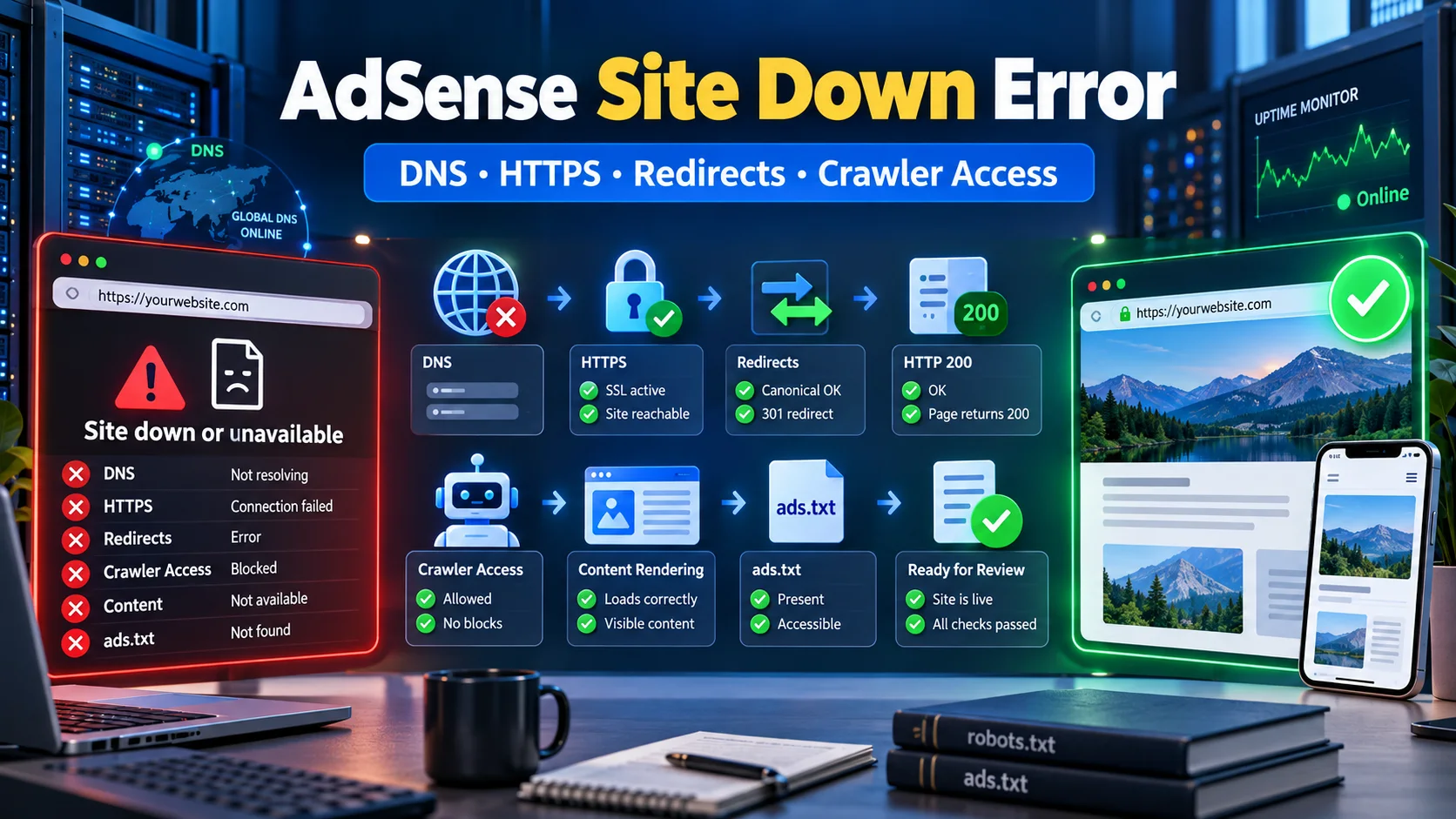
Google AdSense “Site Down or Unavailable” Error कैसे Fix करें? Complete Guide
AdSense review में Site down or unavailable error आने पर DNS, HTTPS, www redirects, HTTP status, robots.txt, firewall, rendering, ads.txt और review readiness को step-by-step diagnose करें।
6 · Read blog
Google AdSense Down है या आपकी Website में Problem? Complete Outage Troubleshooting Guide
AdSense dashboard, ads या reports काम न करें तो platform outage और अपनी website, account, browser या ad code की problem में फर्क कैसे पहचानें—यह practical Hindi incident-response guide पढ़ें।
5 · Read blog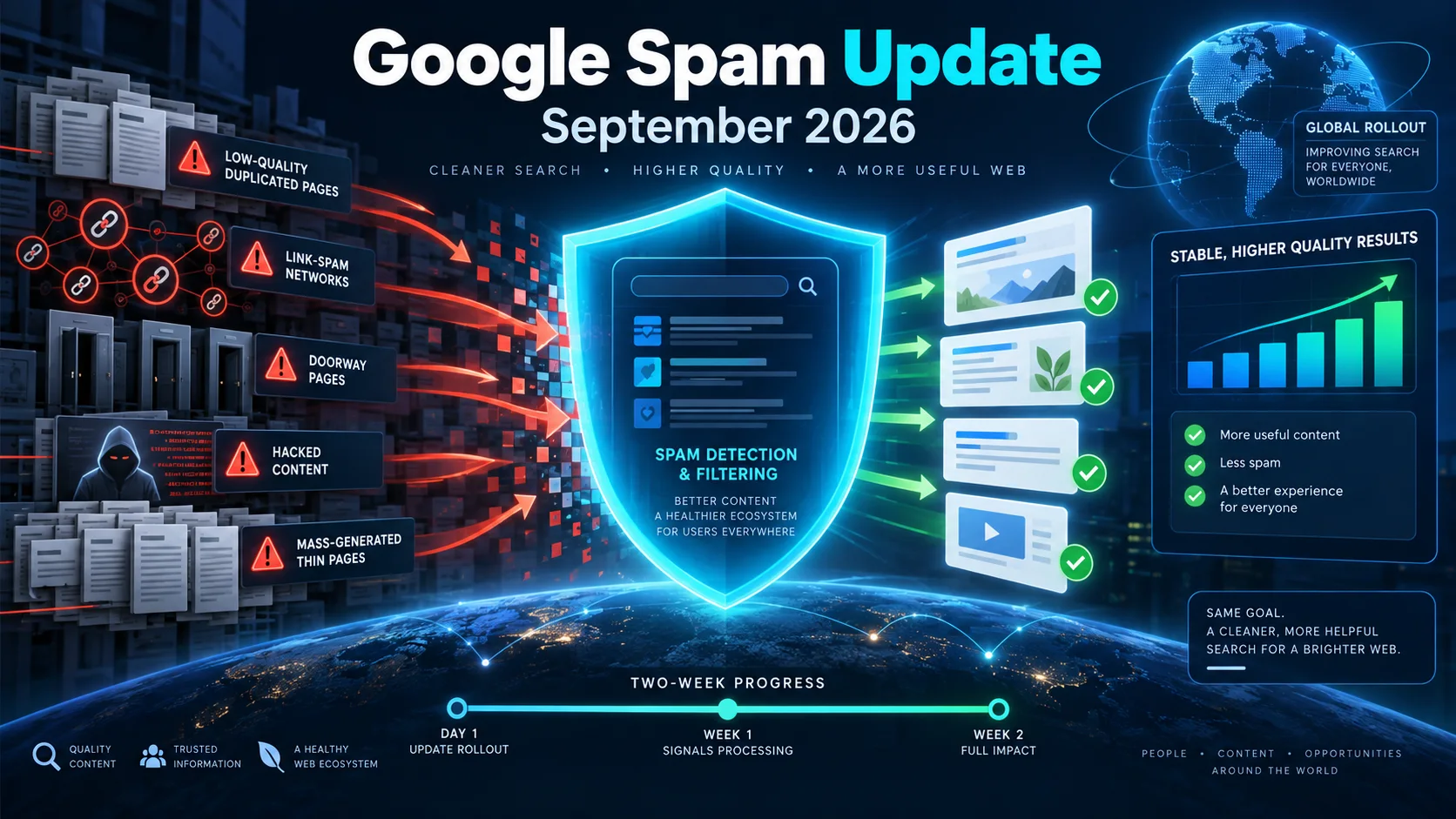
Google September 2026 Spam Update शुरू: Website Owners और SEO Professionals को क्या करना चाहिए?
Google ने September 2026 spam update का global rollout शुरू कर दिया है। यह सभी देशों और भाषाओं पर लागू है तथा पूरा होने में दो सप्ताह तक लग सकते हैं। जानिए rankings बदलने पर क्या जांचें, किन spam practices से बचें और recovery के लिए सही action plan क्या है।
5 · Read blog
AI Search Engines के लिए Website कैसे Optimize करें? Complete AEO/GEO Guide 2026
Google AI Overviews, AI Mode, ChatGPT Search और Bing में website की discoverability बढ़ाने के लिए technical SEO, content, entities, structured data और measurement की practical Hindi guide।
4 · Read blog
Comments 0
No comments yet. Be the first to share a useful thought.
Leave a comment
Your email address will not be published. Comments are reviewed before appearing. Web addresses are displayed as plain text and are never clickable.