

Startup Marketing कैसे करें? Low-Budget Strategy और 90-Day Plan 2026
नई startup के लिए market research, branding, website, social media, content, PR, referrals, email, budget और 90-day marketing roadmap की detailed Hindi guide।
Startup launch होने के बाद सबसे बड़ा सवाल अक्सर यह होता है: customers तक कैसे पहुँचा जाए? Limited budget, छोटी team और incomplete data के बीच founders कई channels एक साथ शुरू कर देते हैं। Website बनती है, social profiles खुलती हैं, ads चलती हैं और content publish होता है—लेकिन clear strategy न होने पर activity बढ़ती है, customer acquisition नहीं।
Startup marketing का सही उद्देश्य हर जगह दिखाई देना नहीं, सही audience के लिए सही problem, promise और proof को repeatable तरीके से communicate करना है। यह guide foundation से लेकर 90-day execution plan तक practical framework देती है, जिसे product, service, local business, D2C brand या early-stage technology startup अपने context के अनुसार adapt कर सकती है।
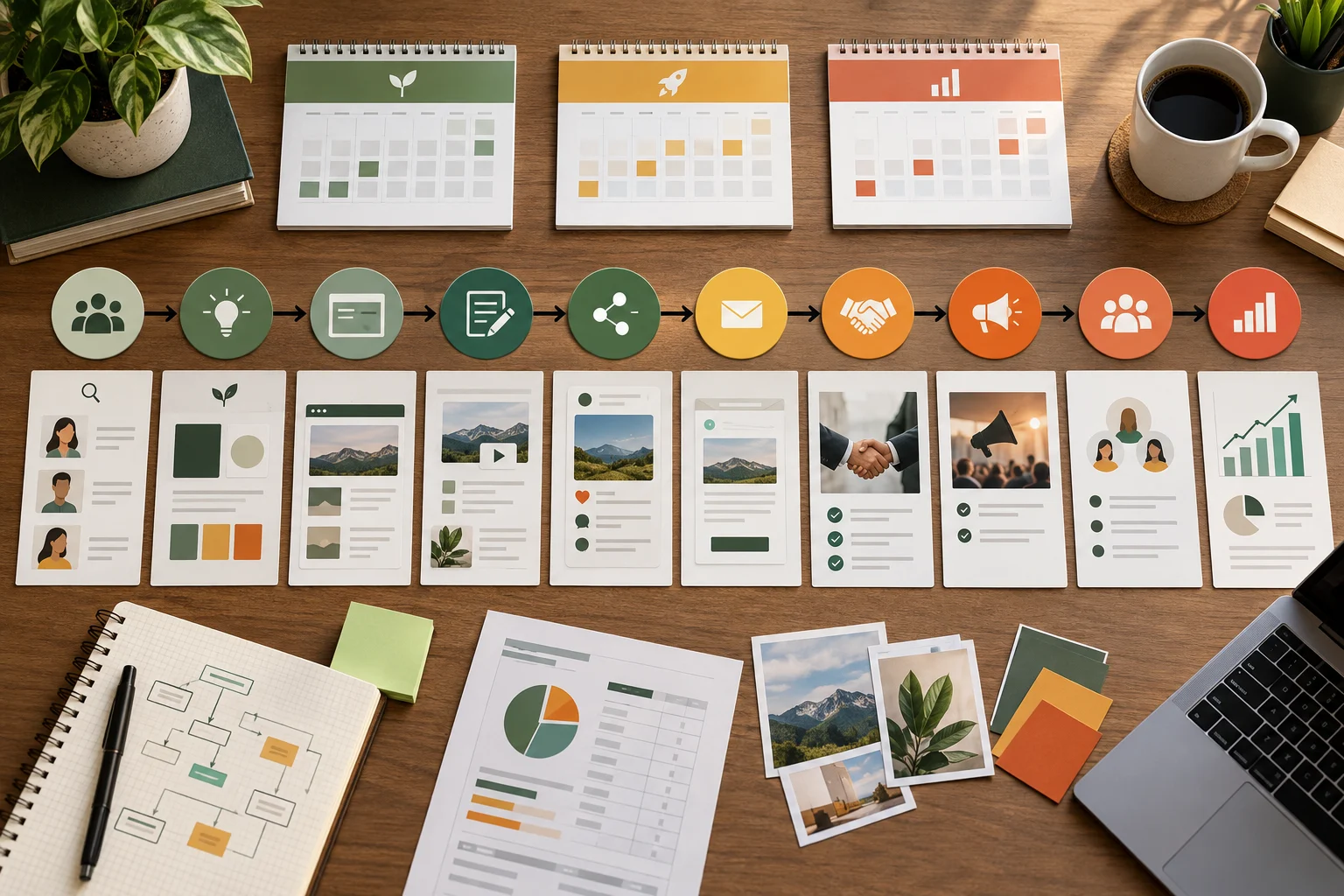
Startup marketing का short framework
- Research: Customer, problem, alternatives और buying trigger समझें।
- Positioning: किसके लिए, क्या outcome और क्यों अलग—इसे स्पष्ट करें।
- Foundation: Brand identity, website, analytics और basic trust assets तैयार करें।
- Channel focus: दो primary और एक supporting channel चुनें।
- Experiment: छोटे campaigns से message, offer और audience test करें।
- Measure: Vanity metrics नहीं, qualified leads, conversion और payback देखें।
- Retain: Onboarding, customer success, referral और repeat purchase improve करें।
| Stage | Main question | Expected output |
|---|---|---|
| Research | Customer अभी problem कैसे solve करता है? | Evidence-based customer profile |
| Positioning | हमारी offer क्यों relevant है? | Clear value proposition |
| Launch | पहले customers कहाँ मिलेंगे? | Focused channel plan |
| Conversion | Interest action में क्यों बदलेगा? | Offer, proof and CTA |
| Growth | क्या repeatably scale हो सकता है? | Measured acquisition system |
1. Marketing शुरू करने से पहले problem validate करें
Founder product को अंदर से जानता है, लेकिन customer category, features या terminology को अलग तरह से समझ सकता है। इसलिए marketing plan assumptions से नहीं, conversations और observed behaviour से शुरू होना चाहिए।
Low-cost market research methods
- 10–20 potential customers के structured interviews
- Existing alternatives और competitor reviews का pattern analysis
- Search queries, community discussions और support questions
- Landing-page waitlist या manual pre-order test
- Prototype demo के बाद objection tracking
- Existing customers से purchase trigger और hesitation पूछना
“क्या आप यह product खरीदेंगे?” अक्सर weak question है, क्योंकि लोग hypothetical answer दे सकते हैं। बेहतर प्रश्न हैं: आपने पिछली बार यह problem कब face की? अभी क्या solution use करते हैं? उसमें सबसे frustrating क्या है? Decision कौन लेता है? कितना समय या पैसा खर्च होता है?
2. SWOT को slide नहीं, decision tool बनाएं
Strengths, weaknesses, opportunities और threats की list तभी useful है जब उससे action निकले। उदाहरण के लिए founder expertise strength है, लेकिन low brand trust weakness हो सकती है। Market में बढ़ती demand opportunity है, जबकि low-cost competitors threat हो सकते हैं।
| SWOT area | Evidence example | Marketing implication |
|---|---|---|
| Strength | Faster personalised service | Demo और response-time proof दिखाएं |
| Weakness | Unknown brand | Testimonials, founder story और guarantees |
| Opportunity | Underserved local segment | Location pages और community partnerships |
| Threat | Established low-price alternatives | Price war नहीं, outcome और support differentiate करें |
3. Target market और buyer persona define करें
“18 से 45 years के सभी लोग” target market नहीं है। Useful segmentation behaviour, need, context और buying ability पर आधारित होती है। B2B startup के लिए industry, company size, role, workflow और buying trigger महत्वपूर्ण हो सकते हैं। Consumer brand के लिए use case, lifestyle, purchase frequency, channel और price sensitivity ज्यादा useful हो सकते हैं।
Customer profile में क्या लिखें?
- Customer कौन है और problem किस moment पर urgent होती है?
- वह अभी कौन-सा alternative use करता है?
- Decision criteria क्या हैं—price, trust, speed, convenience या quality?
- Purchase रोकने वाली objections क्या हैं?
- Customer information कहाँ खोजता है?
- Buying और approval में कौन लोग शामिल होते हैं?
एक primary segment चुनें और secondary segment बाद में test करें। शुरुआती budget को बहुत सारी audiences में बाँटने से किसी भी segment पर meaningful learning नहीं मिलती।
4. Value proposition एक sentence में स्पष्ट करें
Value proposition slogan नहीं है। यह बताती है कि किस customer के लिए कौन-सी problem, किस outcome और किस distinctive approach से solve होती है।
Template: हम [specific audience] को [important outcome] पाने में मदद करते हैं, बिना [major frustration], क्योंकि हमारा solution [credible differentiator] उपयोग करता है।
“Best quality at affordable price” generic है। इसके बजाय specific proof दें: setup time, transparent process, category expertise, local availability, integrated workflow, verified ingredients, warranty या measurable service standard। Claim evidence से stronger होना चाहिए, adjective से नहीं।
5. Brand केवल logo नहीं है
Brand visual identity, voice, behaviour और customer experience का combined perception है। Logo और colours पहचान बनाते हैं, लेकिन delivery delay, confusing pricing या poor support उसी brand को कमजोर कर सकते हैं।
Minimum viable brand kit
- Brand promise और three supporting messages
- Logo usage, colours, typography और image style
- Short and long company description
- Voice rules: formal, friendly, expert या energetic
- Founder/team bios और approved product facts
- Customer-support tone और response standards
- Claims, disclaimers और prohibited statements
Consistency perfection से ज्यादा महत्वपूर्ण है। वही business अलग-अलग channels पर अलग promise करे तो trust और recall दोनों कम होते हैं।
6. Digital presence की foundation
Startup की website owned asset है। Social platform reach बदल सकती है, लेकिन website पर positioning, offer, proof, pricing context, contact और analytics का control startup के पास रहता है।
Launch-ready website checklist
- Clear headline: कौन, क्या outcome और किस context में
- Product या service कैसे काम करती है
- Real screenshots, demonstrations या product photos
- Customer proof, credentials या transparent founder information
- Pricing या qualification path
- One primary CTA per page
- Mobile speed, accessibility और secure HTTPS
- Privacy, terms, returns या service policies जहाँ applicable हों
- Analytics events for lead, signup, checkout and purchase
Analytics install करना measurement नहीं है। पहले event definitions और business questions तय करें: कौन-सा page qualified enquiry लाता है? कौन-सा channel repeat customers देता है? कहाँ checkout या form drop होता है?
7. Written startup marketing plan बनाएं
Plan बड़ा presentation होना जरूरी नहीं। एक working document में business objective, audience, message, channels, budget, owners, timeline और KPIs स्पष्ट होने चाहिए।
| Plan section | Decision |
|---|---|
| Business objective | Revenue, qualified leads, trials, repeat orders या retention |
| Audience | Primary segment और buying trigger |
| Offer | Core promise, price, risk reversal and CTA |
| Channels | Two primary plus one supporting channel |
| Assets | Landing page, case study, demo, email and creative |
| Budget | Production, distribution, tools and contingency |
| Measurement | Baseline, target, review frequency and owner |
8. Goals और KPIs को funnel से जोड़ें
Follower count business objective नहीं है। Awareness, consideration, conversion और retention के लिए अलग signals track करें।
| Funnel stage | Useful metrics | Common mistake |
|---|---|---|
| Awareness | Qualified reach, branded search, relevant visits | Raw impressions को success मानना |
| Engagement | Content completion, saves, return visits | Likes को buying intent समझना |
| Lead | Qualified enquiries, demo requests, signup rate | Low-quality form volume optimize करना |
| Sale | Conversion rate, revenue, CAC, margin | Revenue में returns और discounts ignore करना |
| Retention | Repeat rate, churn, LTV, referrals | हर month केवल new customers खरीदना |
Target में baseline और time period होना चाहिए। “Sales बढ़ानी हैं” की जगह “अगले 90 days में qualified demo-to-paid conversion को current baseline से improve करना” ज्यादा actionable है।
9. Startup marketing budget कैसे बाँटें?
Budget केवल ad spend नहीं है। Creative production, tools, website, events, samples, freelancers और team time भी cost हैं। शुरुआत में एक practical allocation model:
- 35% Distribution: Paid tests, sponsorships, events or outreach
- 25% Content and creative: Demonstrations, case studies, videos and design
- 20% Foundation: Website, analytics, CRM and automation
- 10% Research: Interviews, samples and customer testing
- 10% Reserve: Winning experiment scale करने या unexpected need के लिए
यह fixed rule नहीं है। High-ticket B2B service में founder-led outreach ज्यादा और paid ads कम हो सकती हैं। Consumer product में creative testing और distribution share ज्यादा हो सकता है। हर खर्च को expected learning या outcome से जोड़ें।
10. सही marketing channels चुनें
हर platform पर profile बनाना strategy नहीं है। Channel वहीं चुनें जहाँ audience attention, buying intent और team capability overlap करें।
| Channel | Best fit | Important requirement |
|---|---|---|
| Search and SEO | Existing problem demand | Useful pages, technical quality and patience |
| Social media | Visual discovery, community and education | Consistent native content and engagement |
| Nurture, onboarding and repeat purchase | Consent, segmentation and useful cadence | |
| Founder-led outbound | Narrow B2B accounts | Research, relevance and follow-up |
| Partnerships | Trusted adjacent audiences | Aligned incentives and reliable execution |
| PR and earned media | Genuine news, expertise or local impact | Newsworthy angle and factual evidence |
| Paid ads | Fast message and audience testing | Tracking, landing page and budget control |
| Referral | Strong customer satisfaction | Easy ask, clear reward and fulfilment |
11. Social media plan: platform नहीं, content system
Startup को हर social platform पर active होने की जरूरत नहीं। एक primary platform audience behaviour के आधार पर चुनें और content pillars बनाएं:
- Problem education और common mistakes
- Product demonstration और use cases
- Behind-the-scenes process
- Customer stories और outcomes
- Founder insight और category opinion
- FAQs, comparisons और objection handling
एक long-form asset को छोटे posts, short video, email, carousel और sales enablement में repurpose किया जा सकता है। लेकिन format platform के native behaviour के अनुसार बदलें; same caption और creative हर जगह paste न करें।
12. Content marketing search और sales दोनों के लिए
Content का काम केवल traffic लाना नहीं, customer को decision में मदद करना भी है। शुरुआती startup को category के broad keywords पर compete करने से पहले high-intent questions cover करने चाहिए:
- Problem को पहचानने वाली guides
- Alternative और comparison pages
- Implementation checklists
- Industry-specific use cases
- Pricing और process explainers
- Case studies और measurable lessons
- Support questions और onboarding content
Content original experience, clear authorship, accurate claims और regular updates के साथ publish करें। Search ranking के लिए low-value mass pages बनाना brand trust को कमजोर कर सकता है।
13. Email marketing: permission और relevance
Email owned relationship बनाने का useful channel है, लेकिन subscriber expectation स्पष्ट होनी चाहिए। Signup के समय content type और frequency बताएं। Welcome sequence में brand story से ज्यादा customer का next useful step दें।
Basic lifecycle emails
- Welcome and expectation setting
- Education or onboarding sequence
- Product usage and activation reminders
- Cart or enquiry follow-up जहाँ appropriate हो
- Customer success, renewal and replenishment
- Feedback, review and referral request
Purchased lists, hidden consent और excessive promotional frequency से बचें। Opt-out आसान रखें और applicable communication rules follow करें।
14. PR और earned media कब काम करती है?
“हमने startup launch की” हमेशा newsworthy नहीं होता। Media angle में credible novelty, useful data, community impact, founder expertise, meaningful milestone या category trend होना चाहिए। Journalist को generic press release भेजने से पहले उसका beat और recent work समझें।
Local startup के लिए city publications, trade associations, podcasts, community events और niche newsletters broad national press से ज्यादा relevant हो सकते हैं। Coverage guarantee के claims और undisclosed paid placements से सावधान रहें।
15. Referral और word-of-mouth system बनाएं
Satisfied customers naturally refer कर सकते हैं, लेकिन process आसान करने से participation बढ़ सकती है। सही moment चुनें—successful delivery, positive feedback, measurable result या repeat purchase के बाद।
- Referral किसे करना है, स्पष्ट करें
- Shareable message या link दें
- Reward sustainable और transparent रखें
- Referral source track करें
- Referrer और new customer दोनों का experience अच्छा रखें
Incentive product economics, consumer rules और disclosure requirements के अनुरूप होनी चाहिए। Reward खराब product experience को compensate नहीं कर सकती।
16. Paid campaigns छोटे experiments से शुरू करें
Ads कमजोर positioning को ठीक नहीं करतीं; वे message को तेजी से distribute करती हैं। इसलिए small controlled tests चलाएं। एक audience, एक offer और कुछ creative angles से सीखें।
Test order
- Conversion tracking और landing-page QA
- Audience intent या problem segment
- Value proposition and offer
- Creative hook and proof
- CTA and form friction
- Follow-up speed and sales process
Cheap clicks profitable acquisition नहीं हैं। Contribution margin, lead quality, returns, cancellations और payback period शामिल करके result evaluate करें।
90-day startup marketing roadmap
| Period | Priority | Deliverables |
|---|---|---|
| Days 1–15 | Research and positioning | Interviews, competitor map, ICP, value proposition |
| Days 16–30 | Foundation | Brand kit, website, analytics, core proof |
| Days 31–45 | Channel pilots | Content, outreach, partnerships and small paid test |
| Days 46–60 | Conversion improvement | Landing-page, offer, follow-up and onboarding tests |
| Days 61–75 | Retention and referral | Lifecycle emails, customer feedback, referral flow |
| Days 76–90 | Scale decisions | Channel economics review and next-quarter budget |
Weekly founder dashboard
- Qualified website visits and source
- Leads or signups by segment
- Lead-to-customer conversion
- Customer acquisition cost
- Average order or contract value
- Gross margin after discounts and returns
- Activation, repeat purchase or retention
- Top objections and support themes
- Experiments completed and next decision
Dashboard reporting के लिए नहीं, decisions के लिए होनी चाहिए। हर metric के साथ owner, target और action threshold तय करें।
Common startup marketing mistakes
- Customer interviews से पहले large campaign शुरू करना
- हर platform पर account बनाकर team focus तोड़ना
- Logo को brand strategy समझना
- Metrics बिना content और ads publish करना
- Vanity reach के बदले low-quality leads खरीदना
- Marketing message और product experience में mismatch
- Pricing, policies या contact information छिपाना
- One campaign fail होने पर पूरे channel को reject करना
- Customer retention और referrals को बाद के लिए छोड़ना
- Winning test को evidence के बिना बहुत जल्दी scale करना
Customer acquisition की deeper planning के लिए First 100 Customers Guide, product promotion के लिए Online Product Marketing Guide और startup launch decisions के लिए Tech Startup India Guide पढ़ें।
Final takeaway
Startup marketing limited budget में भी effective हो सकती है, यदि foundation research पर बनी हो और channels focus के साथ चुने जाएं। Clear customer, credible promise, consistent brand, useful content, measured distribution और strong customer experience मिलकर sustainable growth बनाते हैं।
पहले 90 days का लक्ष्य viral होना नहीं, repeatable learning system बनाना होना चाहिए। हर campaign से यह स्पष्ट होना चाहिए कि कौन-सी audience, कौन-सा message, कौन-सा channel और कौन-सा offer वास्तविक business outcome देता है।
Sources and verification
Found an error? Review our Corrections Policy or contact the editorial team.
Article at a glance
| Written by | Aarav Sharma |
|---|---|
| Published | 02 Oct 2026, 10:15 PM IST |
| Reading time | 12 minutes |
| Topic | Ecommerce research and practical guidance |
Frequently Asked Questions
Startup marketing की शुरुआत कहाँ से करनी चाहिए?
Customer interviews, current alternatives और buying triggers से शुरुआत करें। इसके बाद primary segment, value proposition और measurable business objective तय करके channels चुनें।
Low-budget startup के लिए कौन-से marketing channels अच्छे हैं?
Best channel audience और business model पर निर्भर है। Founder-led outreach, useful content, SEO, communities, partnerships, referrals और lifecycle email कम budget में practical हो सकते हैं, लेकिन दो primary channels से शुरुआत बेहतर है।
Startup marketing budget कैसे तय करें?
Revenue stage, margin, sales cycle और available runway देखें। Budget में ads के साथ content, website, tools, research और team time शामिल करें तथा छोटे measured experiments से allocation improve करें।
Startup को कितने social media platforms पर रहना चाहिए?
हर platform पर active होना जरूरी नहीं। जहाँ target audience relevant information और recommendations खोजती है, वहाँ एक primary platform चुनें और consistent native content system बनाएं।
Startup के लिए content marketing कब result देती है?
जब content real customer questions, comparisons, implementation needs और objections solve करे। Original experience, clear authorship, internal distribution और regular updates इसके impact को मजबूत करते हैं।
Marketing ROI कैसे calculate करें?
Campaign से attributed contribution profit को campaign की total cost से compare करें। Discounts, returns, tools, creative cost और sales effort शामिल करें; केवल revenue या clicks को ROI न मानें।
Startup PR के लिए क्या newsworthy हो सकता है?
Useful original data, genuine innovation, meaningful customer impact, local relevance, category insight या important milestone newsworthy angle बना सकता है। Generic launch announcement हर publication के लिए पर्याप्त नहीं होता।
90-day marketing plan में सबसे जरूरी क्या है?
पहले research और foundation, फिर controlled channel tests, उसके बाद conversion और retention improvements रखें। अंतिम phase में evidence के आधार पर winning channels का next-quarter budget तय करें।

Aarav Sharma
Ecommerce Research WriterAarav writes practical ecommerce research guides for AFShop, focusing on online shopping behaviour, product discovery, pricing signals and consumer decision-making in India.
View author profileRead More Blogs

Meta Ads Guide 2026: Facebook और Instagram Advertising कैसे शुरू करें?
Facebook और Instagram पर Meta Ads शुरू करने की complete Hindi guide—account setup, objectives, audience, budget, placements, creatives, measurement और India-specific launch plan।
5 · Read blog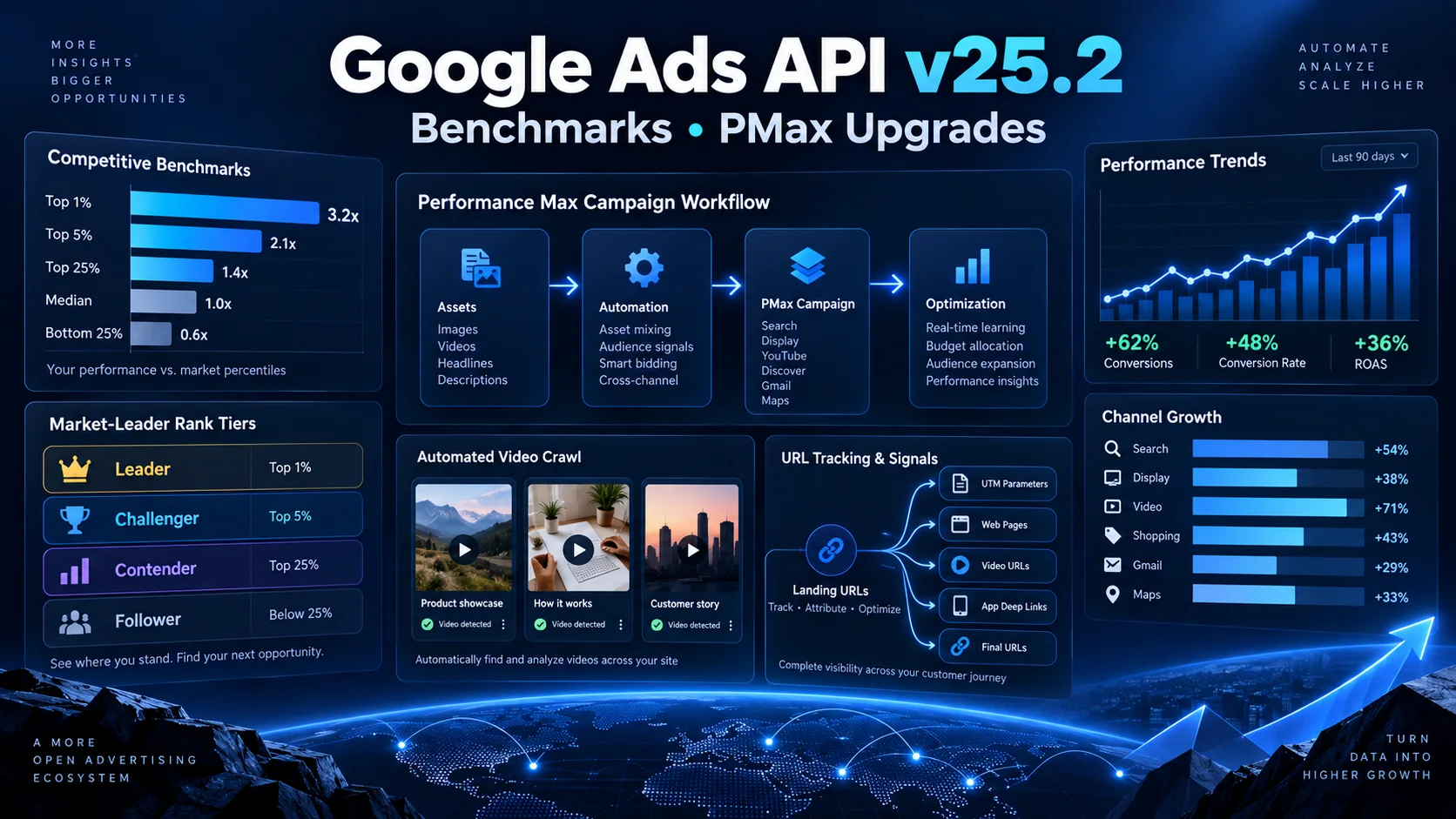
Google Ads API v25.2 में क्या नया है? Competitive Benchmarks और PMax Upgrades को आसान हिंदी में समझें
Google Ads API v25.2 में competitive percentile benchmarks, Performance Max video crawl, asset-group URL tracking और Smart Campaign से PMax draft बनाने जैसे बदलाव आए हैं। Advertisers, agencies और developers के लिए इन updates का practical मतलब आसान हिंदी में समझें।
12 · Read blog
Google AdSense vs Google Ad Manager 2026: Publishers के लिए सही Choice
AdSense और Google Ad Manager में difference, साथ में use करने का workflow, direct campaigns, inventory, line items, reporting और publisher setup की complete Hindi guide।
8 · Read blog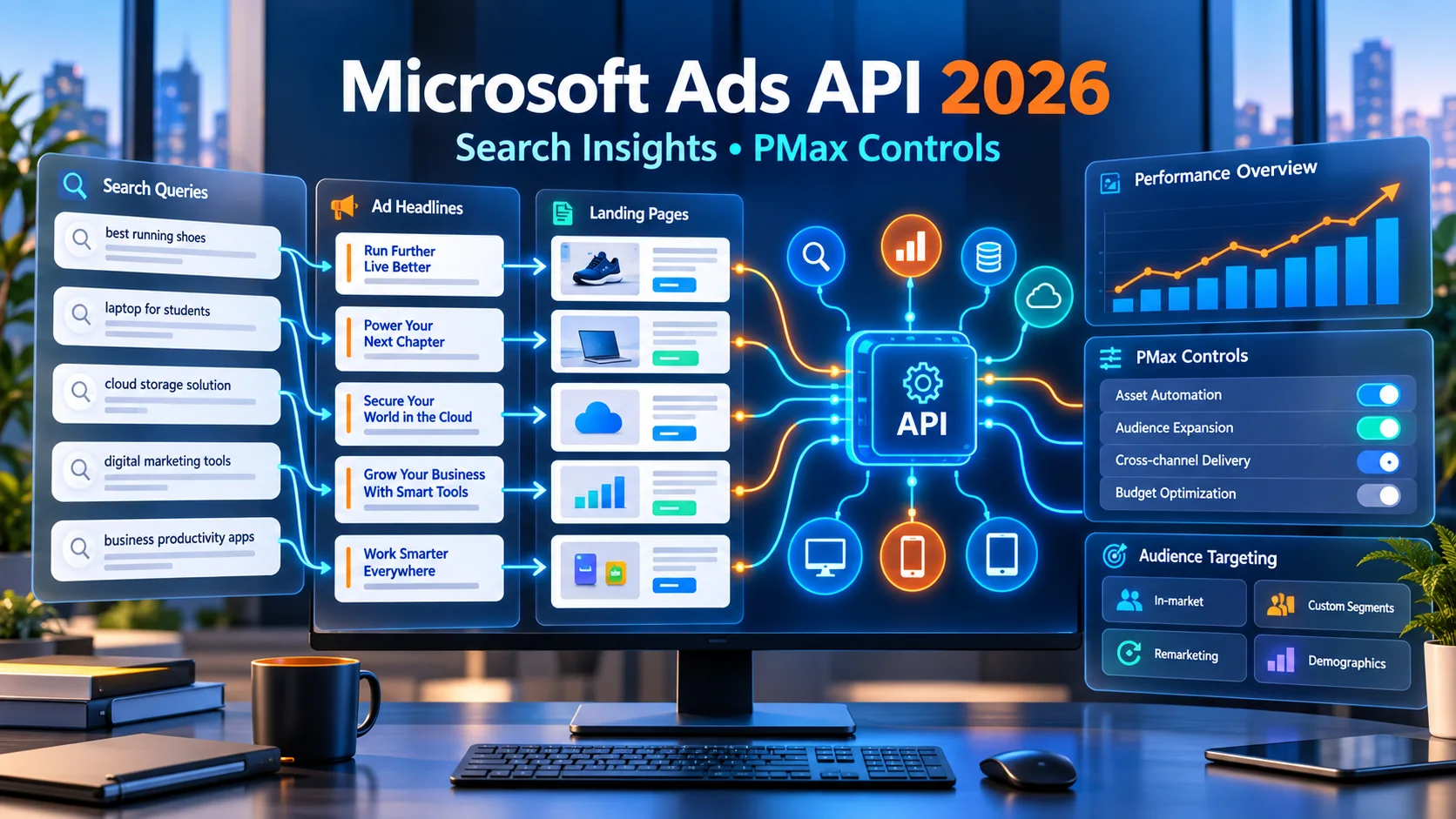
Microsoft Ads API में बड़ा अपडेट: Search Reporting और PMax Controls को आसान हिंदी में समझें
Microsoft Advertising API में Search Term Landing Page Report, Performance Max device exclusions और LinkedIn-based targeting support जैसे बदलाव आए हैं। आसान हिंदी में समझिए कि advertisers, agencies और developers इनका सही उपयोग कैसे कर सकते हैं।
6 · Read blog
Comments 0
No comments yet. Be the first to share a useful thought.
Leave a comment
Your email address will not be published. Comments are reviewed before appearing. Web addresses are displayed as plain text and are never clickable.