

Wikipedia Article कैसे बनाएं? Research, Draft, Citations और Submission की Step-by-Step Guide
Wikipedia article बनाने से पहले eligibility check, source research, neutral drafting, inline citations, Article Wizard, Articles for Creation review और publication के बाद maintenance की practical Hindi guide।
Wikipedia article बनाना सामान्य blog post publish करने जैसा नहीं है। यहां editor को पहले यह साबित करना पड़ता है कि topic encyclopedia में अलग article के योग्य है, फिर हर महत्वपूर्ण claim को reliable source से verify करना होता है और पूरी भाषा neutral रखनी होती है। एक सुंदर draft भी कमजोर sources, copied text या promotional tone के कारण decline हो सकता है।
यह guide किसी brand, organization, person या दूसरे notable topic पर article तैयार करने का practical workflow समझाती है। यह acceptance, permanence, search ranking या knowledge panel की guarantee नहीं देती। Wikipedia volunteer community अपने policies और available evidence के आधार पर स्वतंत्र निर्णय लेती है।

Step 1: नया article शुरू करने से पहले search करें
सबसे पहले Wikipedia और search engines पर topic के current name, old name, spelling variations और common abbreviations search करें। हो सकता है article पहले से मौजूद हो, topic किसी broader article में covered हो, draft बन चुका हो या title redirect के रूप में इस्तेमाल हो रहा हो। Duplicate page बनाने से content merge, redirect या deletion की समस्या हो सकती है।
- Exact title और alternative spellings खोजें।
- Draft namespace और deletion logs भी check करें।
- देखें कि topic किसी existing article के section में बेहतर fit होता है या नहीं।
- सही language edition चुनें; हर edition की local policies और processes अलग हो सकती हैं।
Step 2: Eligibility और notability को evidence से जांचें
Article बनाने का सही आधार यह नहीं है कि topic useful, popular, profitable या personally important है। सामान्यतः topic के बारे में multiple reliable, independent secondary sources में significant coverage चाहिए। केवल official website, press release, social profile, directory listing, product page या routine announcement पर्याप्त नहीं होते।
| Evidence check | Strong signal | Weak signal |
|---|---|---|
| Coverage depth | Topic पर substantial reporting या analysis | नाम का छोटा mention या list entry |
| Independence | Subject से editorial और financial दूरी | Official, sponsored या agency-controlled content |
| Reliability | Editorial oversight और accountable publication | Anonymous blog, user post या content farm |
| Source type | Independent secondary reporting | Self-description या primary announcement |
| Variety | अलग publishers और time periods | एक press release की syndicated copies |
Company-specific evidence audit, inherited notability और paid editing के risks समझने के लिए AFShop की company Wikipedia notability guide भी पढ़ें।
Step 3: Source inventory बनाएं
Draft लिखने से पहले sources को spreadsheet या notes में organize करें। हर source के सामने title, author, publisher, date, URL, coverage depth, independence और उससे support होने वाले facts लिखें। इससे article source-led रहता है और बाद में citation जोड़ते समय गलत reference लगने का risk घटता है।
| Field | क्या record करें | क्यों जरूरी है |
|---|---|---|
| Bibliographic details | Author, headline, publisher, date, URL | Complete citation बनाने के लिए |
| Source quality | Editorial process, independence, primary/secondary | Reliability assess करने के लिए |
| Relevant facts | Exact fact और उसका context | Source को unrelated claim पर cite करने से बचने के लिए |
| Access status | Live, archived या paywalled | Reviewer को verification आसान बनाने के लिए |
| Limitations | Sponsored, interview, press-release based या disputed | Due weight तय करने के लिए |
Step 4: Conflict of interest पहले disclose करें
अगर आप subject, employer, client, family member, agency या paid assignment से जुड़े हैं तो आपका conflict of interest हो सकता है। Relationship छिपाकर direct editing करना trust और account दोनों के लिए risk है। Paid contribution में employer, client और intended beneficiary का disclosure Wikimedia Terms of Use तथा applicable project rules के अनुसार करना पड़ सकता है।
COI editor के लिए responsible route है: relationship disclose करना, draft workspace use करना, Articles for Creation review लेना और published article में बदलाव के लिए talk page पर sourced edit request देना। Disclosure article acceptance नहीं दिलाती; यह केवल transparency establish करती है।
Step 5: Article Wizard और draft workspace use करें
नए editors के लिए Article Wizard से Draft namespace में शुरू करना practical है। Articles for Creation, जिसे AfC भी कहा जाता है, draft को volunteer reviewer के सामने submit करने का route देता है। Draft search results में normal encyclopedia article की तरह treat नहीं होता और public mainspace publication से पहले सुधार का मौका मिलता है।
- Account बनाकर email confirm करें और user page पर required disclosure रखें।
- Article Wizard खोलें और proposed title search करें।
- Draft option चुनें; सीधे live article publish करने की जल्दबाजी न करें।
- Sources और basic structure पहले जोड़ें।
- Preview और citation checks पूरा होने के बाद ही review submit करें।
कुछ technical permissions account age और edit count पर depend कर सकती हैं, लेकिन वे notability या source quality का substitute नहीं हैं। Artificial edits करके credibility manufacture करना उपयोगी नहीं है।
VisualEditor और source editor में क्या अंतर है?
| Editor | किसके लिए आसान | ध्यान रखने वाली बात |
|---|---|---|
| VisualEditor | Beginners और document-style editing | Citation dialog और preview फिर भी carefully check करें |
| Source editor | Wikitext, templates और precise markup समझने वाले editors | Unclosed templates या malformed references layout बिगाड़ सकते हैं |
VisualEditor में citation tool URL, book identifier या manual fields से reference बना सकता है। Source editor में basic inline reference का simplified pattern <ref>Source details</ref> होता है और references section में आम तौर पर {{reflist}} या equivalent reference-list mechanism use किया जाता है। Exact template conventions language edition के अनुसार check करें।
Step 6: Neutral article structure बनाएं
Article structure source coverage से बनना चाहिए, marketing deck से नहीं। सभी topics के लिए एक fixed template लागू करना गलत हो सकता है। फिर भी यह restrained outline useful starting point है:
- Lead: Topic की पहचान, context और defining facts का concise summary.
- Background or history: Reliable sources में documented development.
- Work, operations or features: केवल encyclopedic relevance और source weight के अनुसार.
- Reception and impact: Independent analysis, recognition और criticism.
- Controversies: Materially covered issues को proportion और precision के साथ.
- References: Article में cited sources की generated list.
Lead article का summary होता है, slogan नहीं। इसमें “best”, “leading”, “revolutionary”, “trusted”, “world-class” या “fastest-growing” जैसी marketing language से बचें। Awards, customers, rankings और performance claims तभी जोड़ें जब वे topic को समझने के लिए relevant हों और reliable sources उन्हें उचित weight देते हों।
Step 7: Claim-to-citation map use करें
हर citation को उसी claim के तुरंत बाद रखें जिसे वह support करती है। Paragraph के अंत में एक reference देकर उससे कई unsupported facts cover मान लेना common mistake है। Source वास्तव में claim कहता है या केवल similar topic discuss करता है, यह भी verify करें।
| Claim type | Suitable evidence | Writing treatment |
|---|---|---|
| Date, location या official name | Reliable coverage; limited basic facts के लिए primary source | Simple factual wording |
| Importance या impact | Independent secondary analysis | Source के perspective को attribute करें |
| Financial या performance number | Audited record या reliable reporting | Date और scope स्पष्ट रखें |
| Controversial claim | High-quality, preferably multiple sources | Precise, balanced और non-accusatory wording |
| Opinion or review | Identified reliable commentator | Fact की तरह नहीं, attributed view की तरह लिखें |
एक complete citation में क्या होना चाहिए?
Web citation में सामान्यतः author, article title, publication, publication date, URL और access date useful होते हैं। Book citation में author, title, publisher, year और page number जोड़ें। Academic source में journal, volume, issue, pages और DOI जहां available हो शामिल करें। केवल bare URL छोड़ने से verification और future maintenance मुश्किल हो सकती है।
- Archive URL helpful हो सकता है, लेकिन fabricated archive date न डालें।
- Paywalled source automatically unusable नहीं है; citation complete होना चाहिए।
- Dead link मिलने पर citation delete करने से पहले archive या replacement source खोजें।
- एक source को unrelated facts के लिए reuse न करें।
Step 8: Copyright-safe paraphrasing करें
Source के शब्द बदलकर sentence structure वही रखना genuine paraphrase नहीं है। पहले source समझें, notes में facts अलग करें, original tab बंद करके neutral language में लिखें और फिर accuracy verify करें। Short quotation केवल तभी use करें जब exact wording महत्वपूर्ण हो; quotation marks और citation दोनों दें।
Images पर भी copyright लागू होता है। किसी website या social profile पर image publicly visible होने का अर्थ यह नहीं कि उसे Wikimedia Commons पर upload किया जा सकता है। Own work, verifiable free license या applicable non-free-use policy को carefully check करें। गलत license declaration deletion और account action का कारण बन सकती है।
Step 9: Internal links, categories और infobox सावधानी से जोड़ें
Relevant Wikipedia articles को natural context में link करें, लेकिन हर keyword को link न बनाएं। Categories topic के established classification से match करनी चाहिए। Infobox article का substitute नहीं है; उसमें केवल sourced और supported parameters रखें। Empty fields, decorative flags, excessive awards या promotional data से बचें।
External links section छोटा रखें। Official website relevant हो सकती है, लेकिन social profiles, sales pages, tracking URLs और promotional campaigns की list encyclopedia के लिए उपयुक्त नहीं होती।
Step 10: Submission से पहले quality audit
- Title सही, natural और existing page से non-duplicate है।
- Lead पूरे article का balanced summary देता है।
- हर challenged या challengeable claim के बाद citation है।
- Sources reliable, independent और claim-relevant हैं।
- Copied text, close paraphrasing और copyright-unsafe media नहीं है।
- Promotional adjectives, CTA, phone number और sales language हट चुकी है।
- Negative और positive coverage को due weight मिला है।
- COI या paid relationship properly disclosed है।
- Preview में headings, references, templates और mobile layout ठीक हैं।
- Machine-generated text के हर fact और citation को human editor ने verify किया है।
AI tool outline या language assistance दे सकता है, लेकिन invented citations, false facts और generic promotional prose का risk high है। Unverified machine-generated draft submit न करें। अंतिम responsibility submitting editor की रहती है।
Articles for Creation review में क्या होता है?
AfC reviewer यह देख सकता है कि topic notability meet करता है या नहीं, sources claim support करते हैं या नहीं, draft neutral और copyright-safe है या नहीं और article mainspace के लिए ready है या नहीं। Review volunteer-driven है; fixed delivery time या paid fast-track नहीं होता। Reviewer को messages भेजकर pressure बनाना, अलग accounts से support दिखाना या off-platform canvassing करना उचित नहीं है।
| Result | Meaning | Responsible response |
|---|---|---|
| Accepted | Draft mainspace में move हो गया | Community editing accept करें और article monitor करें |
| Declined | Current version ready नहीं; improvement possible हो सकता है | Specific feedback और source gaps fix करें |
| Rejected | Fundamental issue है; routine resubmission helpful नहीं | Major new evidence के बिना repeatedly submit न करें |
| Comment | Reviewer clarification या improvement चाहता है | Concise, policy-based response दें |
Decline deletion के बराबर नहीं है। लेकिन केवल wording बदलने से source problem fix नहीं होती। अगर independent significant coverage मौजूद नहीं है तो draft रोकना सबसे honest decision है।
Publication के बाद ownership किसकी होती है?
Published article creator, company या subject की property नहीं बनता। Other editors content improve, shorten, merge, retitle या challenge कर सकते हैं। Reliable sources में criticism हो तो subject उसे केवल पसंद न आने के कारण remove नहीं कर सकता। वहीं unsourced, defamatory या privacy-sensitive content के लिए appropriate policies और noticeboards available होते हैं।
अगर आपका COI है तो direct edit war न करें। Talk page पर current text, proposed text, reason और reliable citation के साथ edit request दें। Independent volunteer request accept, modify या reject कर सकता है।
Deletion processes को समझें
Article अलग-अलग processes में review हो सकता है। Obvious policy violations speedy deletion के लिए nominate हो सकते हैं। Proposed deletion uncontested deletion route हो सकता है, जबकि Articles for Deletion community discussion के माध्यम से notability और content evaluate करता है। Exact process language edition और situation पर depend करती है।
Deleted article को बार-बार same content से recreate करना solution नहीं है। Deletion reason पढ़ें, qualifying new sources collect करें और applicable review or draft process follow करें। Multiple accounts या alternate spellings से process bypass करना गंभीर समस्या बन सकता है।
Post-publication maintenance plan
- Article और talk page को watchlist में रखें।
- Dead links के archives या reliable replacements खोजें।
- नई independent coverage आने पर due weight के साथ update suggest करें।
- Routine press releases और हर minor event को article में न जोड़ें।
- Vandalism और good-faith criticism में अंतर समझें।
- Disputes में talk page, consensus और relevant noticeboards use करें।
SEO और search visibility पर realistic expectation
Wikipedia article search results या knowledge systems में appear कर सकता है, लेकिन ranking, backlink value, knowledge panel या AI citation की guarantee नहीं देता। Wikipedia को reputation repair, lead generation या controlled brand messaging के tool की तरह use करना policy conflict पैदा कर सकता है।
Search visibility के sustainable basics समझने के लिए AI search and ecommerce SEO guide और local business discovery के लिए Google Business Profile ranking guide देखें। इन channels में भी accurate information, technical accessibility और user value shortcut से अधिक महत्वपूर्ण हैं।
Common mistakes जो draft को कमजोर बनाती हैं
- पहले article लिखना और sources बाद में ढूंढना।
- Press release की copies को independent coverage गिनना।
- Official website पर article का majority content आधारित करना।
- Lead को advertisement या founder biography बना देना।
- Bare URLs डालना और claim-level citations न देना।
- Source text का close paraphrase करना।
- COI या payment disclose न करना।
- Image की public availability को free license समझना।
- Decline reason पढ़े बिना बार-बार resubmit करना।
- Acceptance, permanence या search ranking guarantee करने वाले service provider पर भरोसा करना।
Final takeaway
एक responsible Wikipedia article evidence से शुरू होता है: topic search, notability audit, independent sources और transparent disclosure. उसके बाद draft workspace, neutral structure, claim-level citations, copyright-safe writing और volunteer review आते हैं। Formatting weak evidence को strong नहीं बना सकती।
अगर sources पर्याप्त हैं तो patient, policy-led workflow अपनाएं। अगर sources नहीं हैं तो article force करने के बजाय रुकें। Wikipedia पर long-term survival publishing speed से नहीं, verifiability, neutrality और community trust से तय होता है।
Article at a glance
| Written by | Vivaan Patel |
|---|---|
| Published | 29 Sep 2026, 09:30 AM IST |
| Reading time | 12 minutes |
| Topic | Ecommerce research and practical guidance |
Frequently Asked Questions
क्या कोई भी Wikipedia article बना सकता है?
Contribution open है, लेकिन article को notability, reliable sourcing, neutrality, verifiability और copyright rules meet करने होते हैं। New editors के लिए draft और Articles for Creation route अधिक practical है।
क्या article बनाने के लिए account जरूरी है?
कुछ language editions और workflows में account तथा certain permissions required हो सकती हैं। Account transparency, draft management और communication आसान बनाता है, लेकिन account age notability का substitute नहीं है।
Draft और live article में क्या अंतर है?
Draft workspace review और improvement के लिए होता है; mainspace article live encyclopedia का हिस्सा होता है। Draft acceptance automatic नहीं है और reviewer उसे decline या reject कर सकता है।
Wikipedia article के लिए कितने sources चाहिए?
कोई universal fixed number नहीं है। सामान्यतः multiple reliable, independent secondary sources में significant coverage चाहिए। Source quality और depth raw count से अधिक महत्वपूर्ण हैं।
VisualEditor या source editor में से क्या चुनें?
Beginners के लिए VisualEditor आसान होता है। Source editor wikitext और templates पर अधिक control देता है। दोनों में preview, citations और formatting manually verify करना जरूरी है।
Articles for Creation review में कितना समय लगता है?
Fixed review time नहीं है। AfC volunteer-driven है और backlog के अनुसार समय बदलता है। Legitimate paid fast-track या guaranteed acceptance नहीं होता।
Draft declined और rejected में क्या अंतर है?
Declined draft में specific improvements के बाद resubmission possible हो सकती है। Rejected status fundamental problem दिखाता है और major new evidence के बिना repeated submission उचित नहीं है।
Paid editor article बना सकता है?
Paid contributor को employer, client, intended beneficiary और relevant affiliation disclose करनी पड़ सकती है। Disclosure के बाद भी notability, neutrality, sourcing और copyright rules पूरी तरह लागू रहते हैं।
क्या internet पर मिली image Wikipedia पर upload कर सकते हैं?
नहीं। Publicly visible image automatically free-license content नहीं होती। Own work, verified free license या applicable non-free-use policy carefully check करनी चाहिए।
Published article का owner कौन होता है?
Subject, creator या company editorial ownership control नहीं करती। Wikipedia community reliable sources और consensus के आधार पर article edit, merge, rename या delete कर सकती है।

Vivaan Patel
SEO and Product Discovery WriterVivaan covers search visibility, structured product information and emerging discovery experiences, translating technical SEO topics into clear guidance for online businesses.
View author profileRead More Blogs
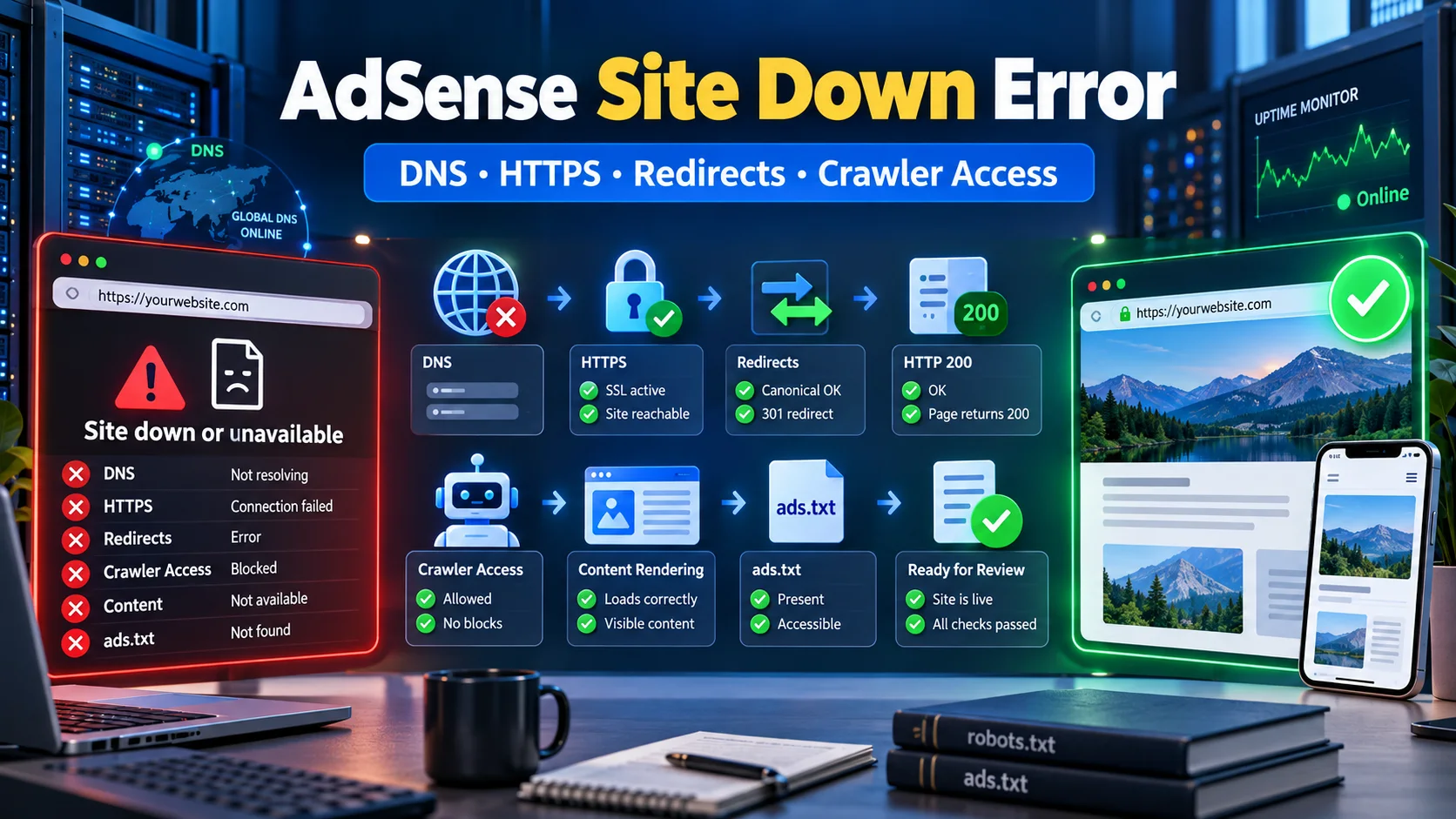
Google AdSense “Site Down or Unavailable” Error कैसे Fix करें? Complete Guide
AdSense review में Site down or unavailable error आने पर DNS, HTTPS, www redirects, HTTP status, robots.txt, firewall, rendering, ads.txt और review readiness को step-by-step diagnose करें।
6 · Read blog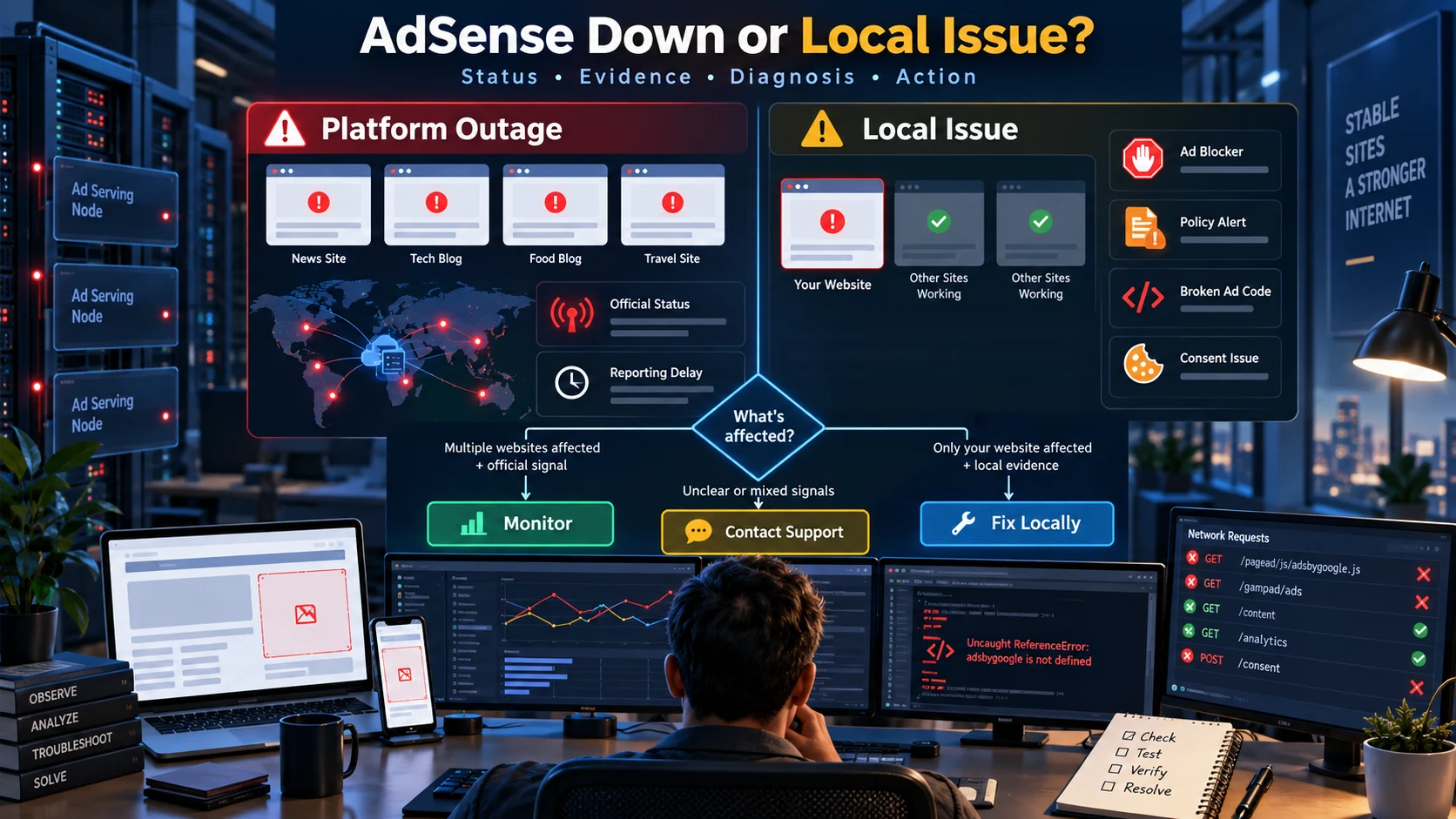
Google AdSense Down है या आपकी Website में Problem? Complete Outage Troubleshooting Guide
AdSense dashboard, ads या reports काम न करें तो platform outage और अपनी website, account, browser या ad code की problem में फर्क कैसे पहचानें—यह practical Hindi incident-response guide पढ़ें।
5 · Read blog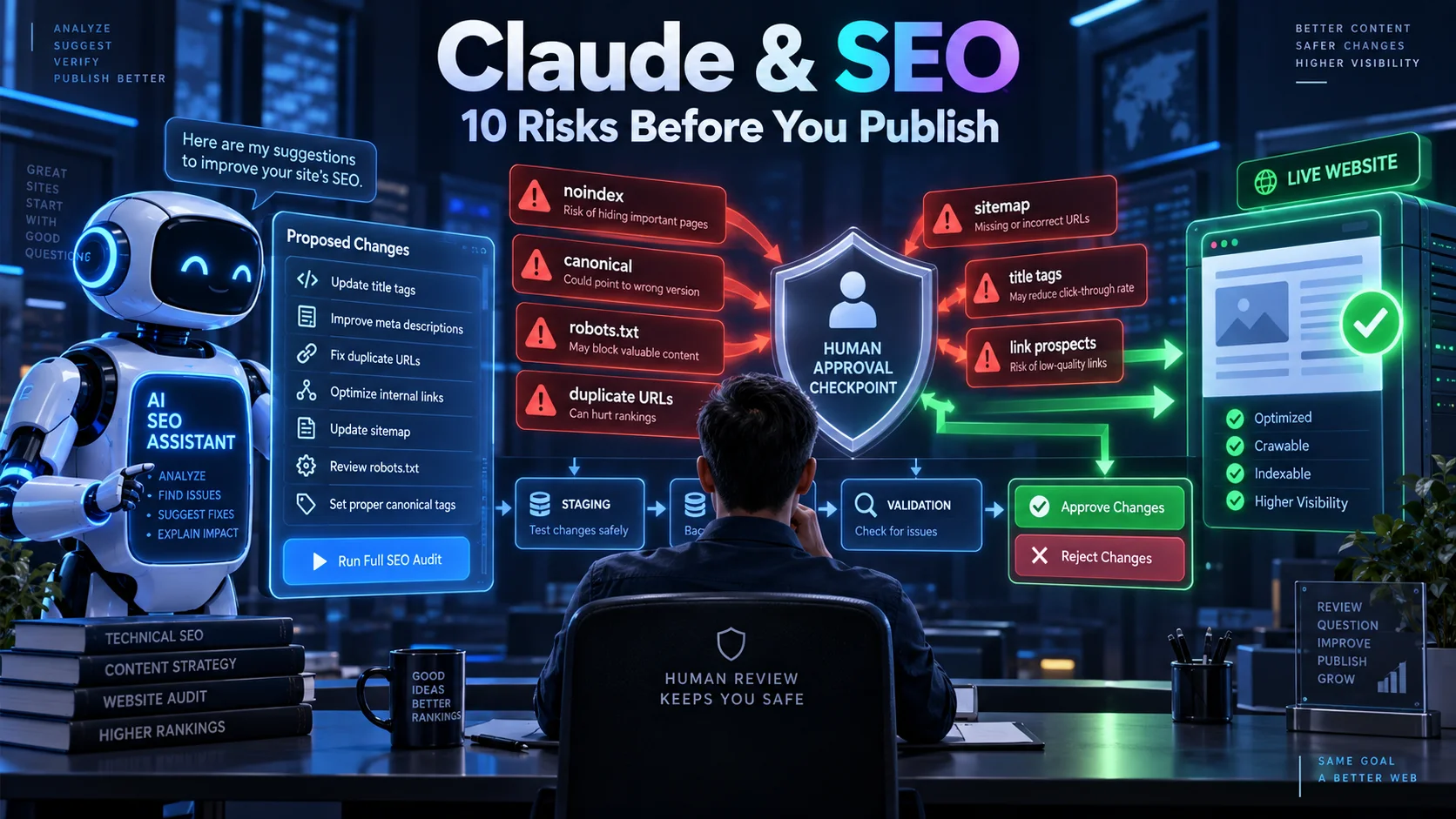
Claude से SEO कराते समय ये 10 गलतियां आपकी Rankings बिगाड़ सकती हैं
Claude keyword research, technical audit और content planning को तेज कर सकता है, लेकिन बिना verification उसके noindex, canonical, sitemap, title और link-building सुझाव rankings को नुकसान पहुंचा सकते हैं। जानिए 10 बड़े risks और सुरक्षित AI SEO workflow।
5 · Read blog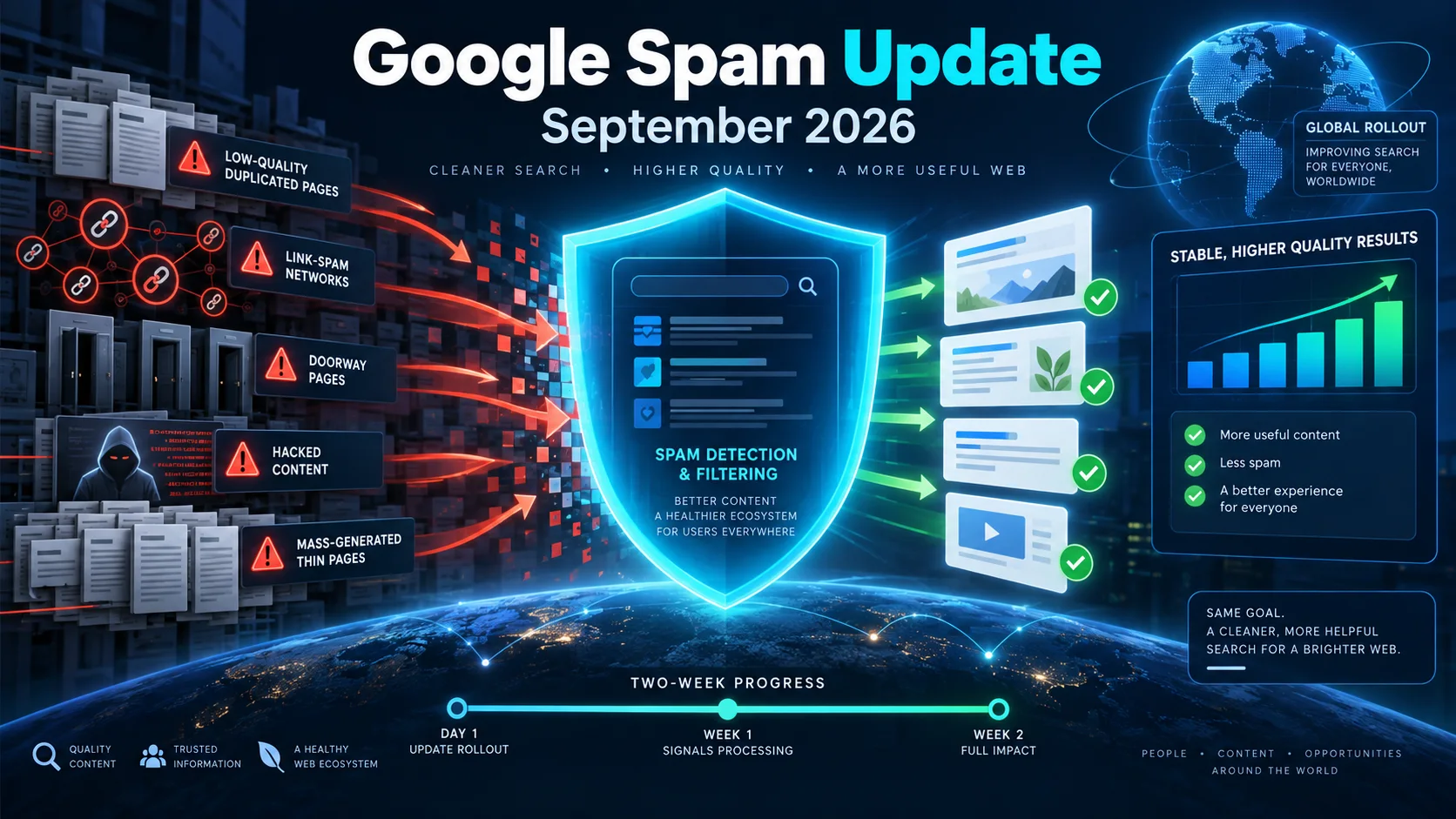
Google September 2026 Spam Update शुरू: Website Owners और SEO Professionals को क्या करना चाहिए?
Google ने September 2026 spam update का global rollout शुरू कर दिया है। यह सभी देशों और भाषाओं पर लागू है तथा पूरा होने में दो सप्ताह तक लग सकते हैं। जानिए rankings बदलने पर क्या जांचें, किन spam practices से बचें और recovery के लिए सही action plan क्या है।
5 · Read blog
Comments 0
No comments yet. Be the first to share a useful thought.
Leave a comment
Your email address will not be published. Comments are reviewed before appearing. Web addresses are displayed as plain text and are never clickable.