

Google Ads Optimization 2026: कम Waste और Profitable Growth की Complete Guide
Google Ads campaigns को conversion tracking, search terms, negatives, bidding, creative, PMax, landing-page tests और profit metrics से optimise करने की practical Hindi guide।
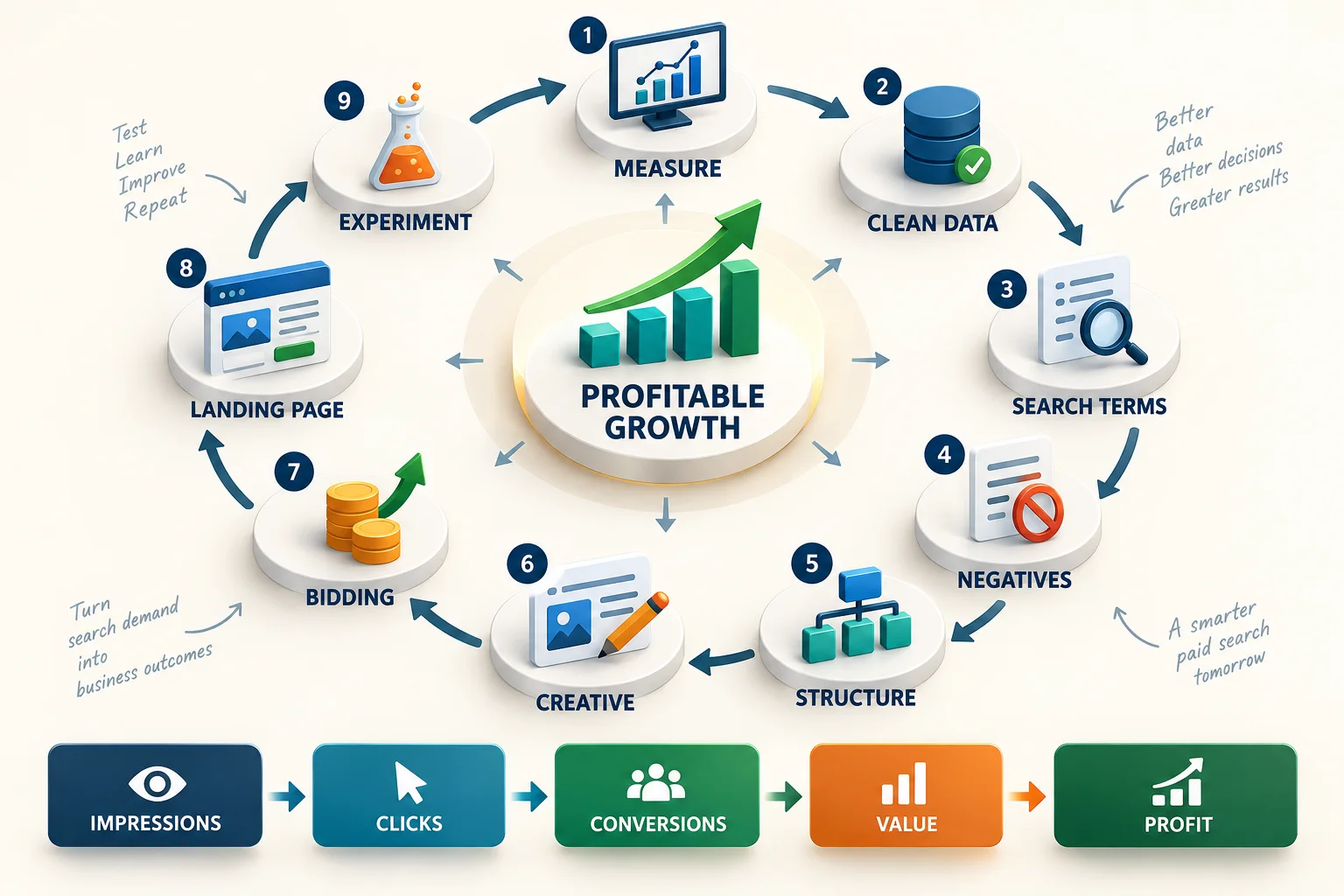
Google Ads optimisation का अर्थ हर दिन bids बदलना या Optimization Score को 100% करना नहीं है। सही optimisation वह है जिसमें measurement reliable हो, irrelevant traffic घटे, valuable conversions बढ़ें और business को acceptable margin पर growth मिले। Clicks सस्ते होना useful है, लेकिन अगर वे qualified leads or profitable orders नहीं लाते तो campaign सफल नहीं है।
Paid search में decision sequence महत्वपूर्ण है: पहले conversion data clean करें, फिर search intent and waste समझें, उसके बाद structure, creative, bidding and landing page बदलें। Broken tracking के ऊपर automated bidding लगाने से algorithm गलत signal optimise कर सकता है।
यह independent educational guide है। Google Ads interface, campaign types, recommendations and eligibility बदल सकती हैं। Current official documentation and account UI को final मानें। Performance guarantee नहीं है; tests controlled रखें।
Optimisation शुरू करने से पहले business goal define करें
| Business | Primary outcome | Better optimisation metric |
|---|---|---|
| Ecommerce | Completed profitable purchase | Conversion value, contribution ROAS and new-customer value |
| Lead generation | Qualified or closed lead | Cost per qualified lead and revenue per lead |
| Local service | Booked appointment or verified call | Cost per booked job |
| SaaS | Paid customer | CAC, trial-to-paid rate and payback |
| Content or publisher | Valuable subscriber | Cost per retained subscriber |
Form submission को final success न मानें अगर spam leads ज्यादा हैं। Offline conversion import or CRM feedback से qualified and closed outcomes वापस ad platform तक भेजना अधिक useful हो सकता है।
Step 1: Conversion tracking audit
Optimisation से पहले हर conversion action की business value और status review करें।
- Primary action केवल वह रखें जिसे bidding सच में optimise करे।
- Micro actions जैसे page view or scroll को secondary observation में रखें, जब तक वे actual objective न हों।
- Purchase value, currency and transaction ID correctly pass करें।
- Duplicate tags और repeated thank-you reload test करें।
- Lead forms में spam filtering and qualified-lead feedback जोड़ें।
- Enhanced conversions and consent-related setup जहां applicable हो evaluate करें।
- Tag diagnostics, browser testing and real transaction test करें।
Google Ads और analytics tool की conversions exactly match करना आवश्यक नहीं; attribution model, click/view window, time zone, consent and data processing अलग हो सकते हैं। लेकिन unexplained large gap investigation मांगता है।
Step 2: Search terms report से waste निकालें
Keywords वह targeting instruction हैं जिसे advertiser देता है; search terms वास्तविक queries हैं जिन्हें user ने type किया। Search terms को weekly review करें और चार buckets बनाएं:
- High intent and converting: dedicated ad or landing-page message consider करें।
- Relevant but weak: ad promise, price, page or audience fit diagnose करें।
- Research intent: business goal के अनुसार nurture or exclude करें।
- Irrelevant: negative keyword बनाएं, लेकिन match scope carefully चुनें।
Single query देखकर panic न करें। Spend, clicks, conversion lag and pattern देखें। Negative list बहुत aggressive होने पर valuable long-tail demand block हो सकती है।
Negative keywords की सही strategy
- Jobs, free, meaning, PDF, repair या DIY जैसे modifiers केवल तभी block करें जब business के लिए genuinely irrelevant हों।
- Account-wide, campaign-level and ad-group negatives का purpose अलग रखें।
- Brand campaign और non-brand campaign cross-negatives से overlap manage करें।
- Spelling and close variants behaviour current documentation से समझें।
- Shared negative lists का owner और review date रखें।
Step 3: Campaign structure intent के अनुसार
Structure reporting and budget control को आसान बनाए, algorithm को unnecessarily fragment नहीं करे। अलग campaign तब बनाएं जब budget, geography, language, bidding goal, product margin or business priority सच में अलग हो। हर keyword के लिए separate ad group बनाना scale and learning को नुकसान दे सकता है।
Useful segmentation examples:
- Brand vs non-brand
- High-margin vs low-margin category
- New customer vs returning customer where supported
- Service area or language
- Lead type with different value
- Exact control campaign vs broader discovery test
Step 4: Keywords और match types
Exact match control देता है, लेकिन literal-only matching assumption सही नहीं। Phrase and broad match additional relevant demand discover कर सकते हैं। Broad match को clean conversion data, Smart Bidding, strong negatives and sufficient monitoring के साथ test करें; उसे unattended traffic licence न बनाएं।
Keyword decision में search volume से पहले intent देखें। “Best accounting software for small manufacturer” lower volume लेकिन higher commercial clarity दे सकता है। Informational query को transactional landing page पर भेजने से conversion कमजोर हो सकता है।
Step 5: Responsive Search Ads and assets
Headlines में केवल keyword repeat न करें। Different buyer questions cover करें:
- Problem and category relevance
- Specific benefit or differentiator
- Price or eligibility where appropriate
- Trust proof that can be substantiated
- Location, delivery or service scope
- Clear call to action
Pinning only when legal or message-control need हो; excessive pinning combinations सीमित कर सकती है। Ad Strength diagnostic है, business KPI नहीं। Strong label पाने के लिए weak or inaccurate headline add न करें।
Sitelinks, callouts, structured snippets, image, price, promotion, call or lead-form assets जहां relevant and eligible हों add करें। हर asset accurate destination and current information दिखाए।
Step 6: Bidding strategy goal से match करें
| Strategy type | Useful when | Risk to watch |
|---|---|---|
| Manual or controlled CPC approach | Very small test or strict control | Missed auction-time signals and manual workload |
| Maximise Clicks | Traffic discovery with caps and controls | Cheap clicks without business value |
| Maximise Conversions | Clean conversion goal and budget available | Low-value actions included as primary |
| Target CPA | Stable qualified conversion data | Unrealistic target restricts volume |
| Maximise Conversion Value | Accurate dynamic values | Revenue value without margin context |
| Target ROAS | Reliable values and sufficient signal | Aggressive target reduces reach or ignores profit differences |
Large bid, budget and target changes बार-बार न करें। Strategy को learning and conversion lag के लिए time दें। Seasonality adjustment only appropriate short unusual events के लिए consider करें; regular weekly pattern का substitute न बनाएं।
Step 7: Budget को winners पर shift करें
Daily budget equally distribute करना neutral decision नहीं है। Campaigns को marginal opportunity से compare करें:
- Profitable campaign budget-limited है?
- Search impression share lost by budget or rank?
- Incremental spend same efficiency पर conversions जोड़ सकता है?
- Brand traffic non-brand performance को hide तो नहीं कर रहा?
- Low-margin product high ROAS दिखाकर भी कम profit तो नहीं दे रहा?
Budget बढ़ाते समय average historical CPA को future guarantee न मानें। Additional auctions lower efficiency ला सकते हैं। Incremental test करें।
Step 8: Location, schedule and device analysis
Geo targeting में physical presence and interest settings business model के अनुसार verify करें। Local service को दूसरे शहर के users से irrelevant clicks मिल सकते हैं। Location report में matched location and user location context देखें।
Dayparting data conversion lag के बाद analyse करें। रात के clicks daytime में convert हों तो last-click view गलत conclusion दे सकता है। Automated bidding use होने पर manual device and schedule controls current campaign type के अनुसार apply होते हैं; change से पहले documentation check करें।
Step 9: Landing page optimisation
Ad promise और landing page continuity रखें। User ने specific product, price range or service location search किया है तो generic homepage पर न भेजें।
- Fast mobile load and stable layout
- Clear headline matching search intent
- Visible price or next-step expectation
- Trust proof and accurate terms
- Short, useful form
- Strong CTA without obstruction
- Privacy and consent disclosure
- Working confirmation and conversion event
Conversion rate बढ़ाने के लिए misleading urgency, hidden charges or fake testimonials use न करें। Poor post-click quality long-term economics नुकसान करती है।
Performance Max optimisation
PMax को black box मानकर छोड़ें नहीं। Goal quality, feed, assets and business data strong रखें।
- Primary conversion goals clean रखें।
- Merchant feed titles, images, identifiers and availability improve करें।
- Asset groups coherent product or audience theme पर रखें।
- High-quality text, image and video assets दें।
- Final URL expansion, brand exclusions and campaign controls business need के अनुसार review करें।
- Search themes and audience signals hints हैं, guaranteed targeting boundaries नहीं।
- Insights, asset performance and search-category data को diagnosis में use करें।
- Brand and non-brand contribution separately understand करने का plan रखें।
Optimisation Score और recommendations
Recommendations useful diagnostic ideas दे सकती हैं, लेकिन हर recommendation apply करना business requirement नहीं है। Recommendation का expected impact, measurement quality, margin, compliance and strategic control evaluate करें। Auto-apply settings carefully review करें। 100% score profit की guarantee नहीं है।
Experiments कैसे चलाएं?
- One clear hypothesis लिखें।
- Primary metric and guardrail metric तय करें।
- एक समय में manageable variable बदलें।
- Sufficient traffic and conversion lag allow करें।
- Mid-test editing and cherry-picking से बचें।
- Result document करें: win, loss or inconclusive।
Examples: new landing page, different value proposition, broad match plus Smart Bidding, or target change। Seasonality or tracking break during test note करें।
Profit dashboard बनाएं
Contribution after ads = conversion value − product/service variable cost − refunds − payment/fulfilment cost − ad spend.
| Layer | Metric | Decision |
|---|---|---|
| Delivery | Impressions, clicks, CPC | Ads traffic ला रहे हैं? |
| Intent | Search terms, engaged sessions | Traffic relevant है? |
| Conversion | Rate, CPA, lead quality | Page and offer काम कर रहे हैं? |
| Value | Revenue, ROAS, qualified pipeline | Conversions valuable हैं? |
| Profit | Contribution, CAC payback | Scale करना चाहिए? |
Weekly optimisation routine
- Daily: Tracking break, spend spike, disapproval and severe anomaly।
- Weekly: Search terms, negatives, budgets, lead quality, asset and landing-page issues।
- Monthly: Bidding targets, campaign structure, profit, incrementality and experiment review।
- Quarterly: Offer, customer value, attribution, feed architecture and market strategy।
Common mistakes
- Broken tracking पर bidding automate करना।
- All conversions को equal value देना।
- Search terms review न करना।
- Negative keywords blindly add करना।
- Campaign structure over-fragment करना।
- Ad Strength को profit KPI मानना।
- Targets रोज बदलना।
- Brand and non-brand results mix करना।
- Landing page ignore करना।
- ROAS देखकर margin and returns भूलना।
30-day action plan
Week 1: Measurement
Conversion actions, values, duplicates, primary status and CRM quality audit करें।
Week 2: Traffic quality
Search terms, negatives, match types, locations and campaign overlap clean करें।
Week 3: Message and page
RSA assets, business proof, landing relevance, mobile speed and form experience improve करें।
Week 4: Bidding and experiment
Clean data के आधार पर bidding target review करें और one controlled experiment launch करें।
Final takeaway
Google Ads optimisation isolated tricks की checklist नहीं, measurement-to-profit operating loop है। सही conversions define करें, real search terms से waste हटाएं, structure and creative को intent से align करें, bidding को clean data दें और landing page पर promise पूरा करें।
Automation को replace या reject करने के बजाय सही inputs and guardrails दें। हर change का business hypothesis रखें। Technical platform updates समझने के लिए हमारी Google Ads API update guide और broader paid-search changes के लिए Microsoft Ads reporting guide भी पढ़ें।
Article at a glance
| Written by | Vivaan Patel |
|---|---|
| Published | 29 Sep 2026, 11:55 PM IST |
| Reading time | 9 minutes |
| Topic | Ecommerce research and practical guidance |
Frequently Asked Questions
Google Ads optimisation क्या है?
Campaign data, targeting, search terms, creative, bidding and landing pages को business outcomes के आधार पर continuously improve करने की process है।
Optimisation का पहला step क्या होना चाहिए?
Conversion tracking audit करें। Wrong or duplicate primary conversions automated bidding को गलत signal दे सकते हैं।
Search keyword और search term में क्या अंतर है?
Keyword advertiser की targeting instruction है; search term user की actual query है। Search terms report relevant demand and wasted traffic दिखाती है।
Negative keywords कितनी बार review करें?
Active search campaigns में weekly review practical है, लेकिन volume and conversion lag देखें। Single click के कारण valuable query pattern block न करें।
क्या Broad Match use करना चाहिए?
Clean conversion data, Smart Bidding, strong negatives and monitoring के साथ controlled test किया जा सकता है। हर account में automatic success guarantee नहीं है।
Optimization Score 100% होना जरूरी है?
नहीं। Score and recommendations diagnostics हैं, profit guarantee नहीं। हर recommendation को business goal, margin and control के अनुसार evaluate करें।
Target CPA कितनी बार बदलना चाहिए?
Frequent large changes से learning and delivery disturb हो सकती है। Sufficient data, conversion lag and business economics देखकर measured changes करें।
Performance Max कैसे optimise करें?
Clean goals, accurate feed, coherent asset groups, quality creative, suitable URL and brand controls, तथा business-value reporting पर focus करें।
ROAS अच्छा होने पर भी campaign loss में हो सकता है?
हाँ। Revenue ROAS product margin, returns, fulfilment, discounts and payment costs नहीं दिखाता। Contribution after ads calculate करें।
Google Ads test कितने समय चलाना चाहिए?
Fixed duration universal नहीं है। Sufficient traffic, conversion volume and conversion lag चाहिए। Test hypothesis and decision rule पहले तय करें।

Vivaan Patel
SEO and Product Discovery WriterVivaan covers search visibility, structured product information and emerging discovery experiences, translating technical SEO topics into clear guidance for online businesses.
View author profileRead More Blogs

Meta Ads Guide 2026: Facebook और Instagram Advertising कैसे शुरू करें?
Facebook और Instagram पर Meta Ads शुरू करने की complete Hindi guide—account setup, objectives, audience, budget, placements, creatives, measurement और India-specific launch plan।
2 · Read blog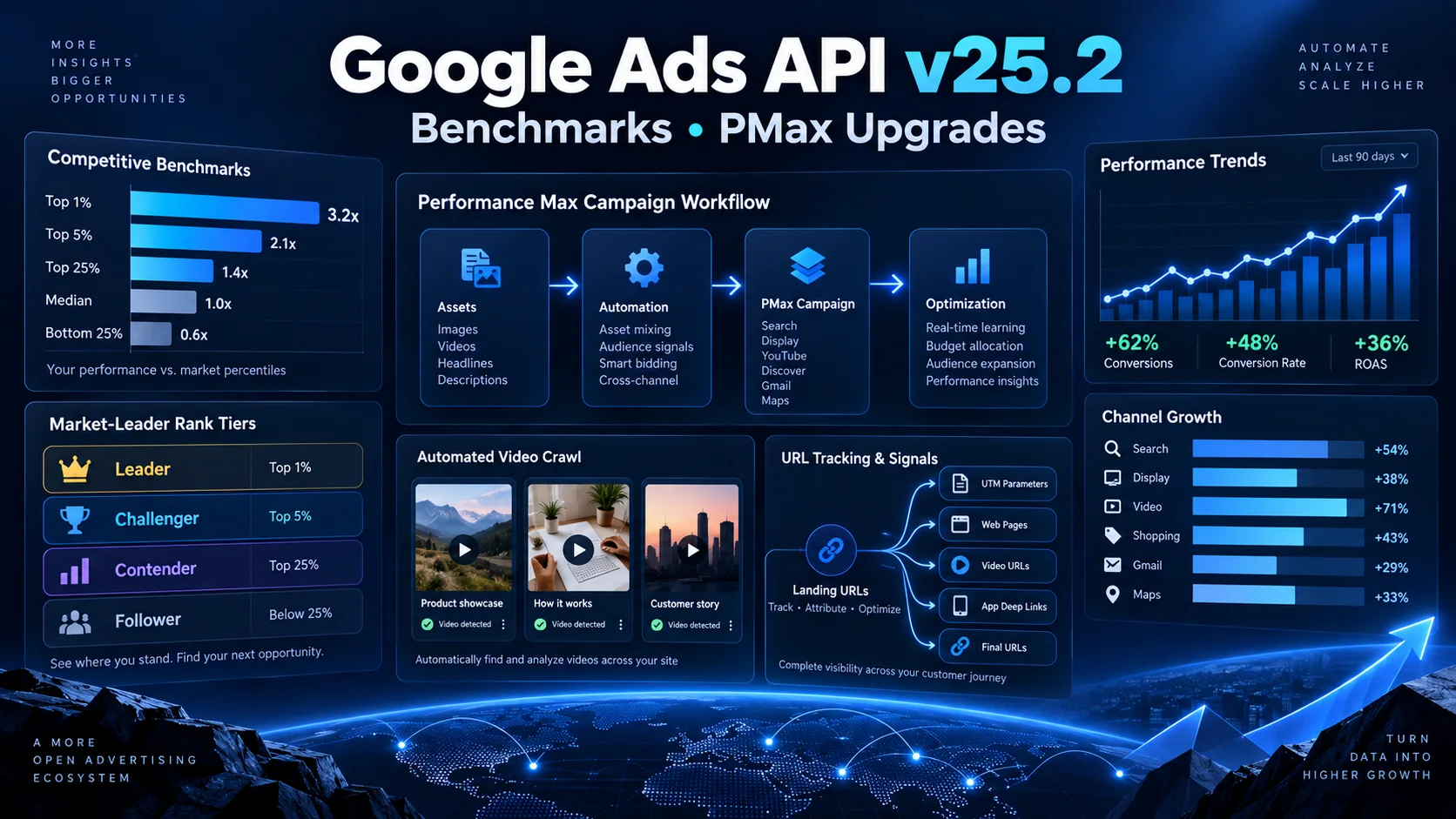
Google Ads API v25.2 में क्या नया है? Competitive Benchmarks और PMax Upgrades को आसान हिंदी में समझें
Google Ads API v25.2 में competitive percentile benchmarks, Performance Max video crawl, asset-group URL tracking और Smart Campaign से PMax draft बनाने जैसे बदलाव आए हैं। Advertisers, agencies और developers के लिए इन updates का practical मतलब आसान हिंदी में समझें।
11 · Read blog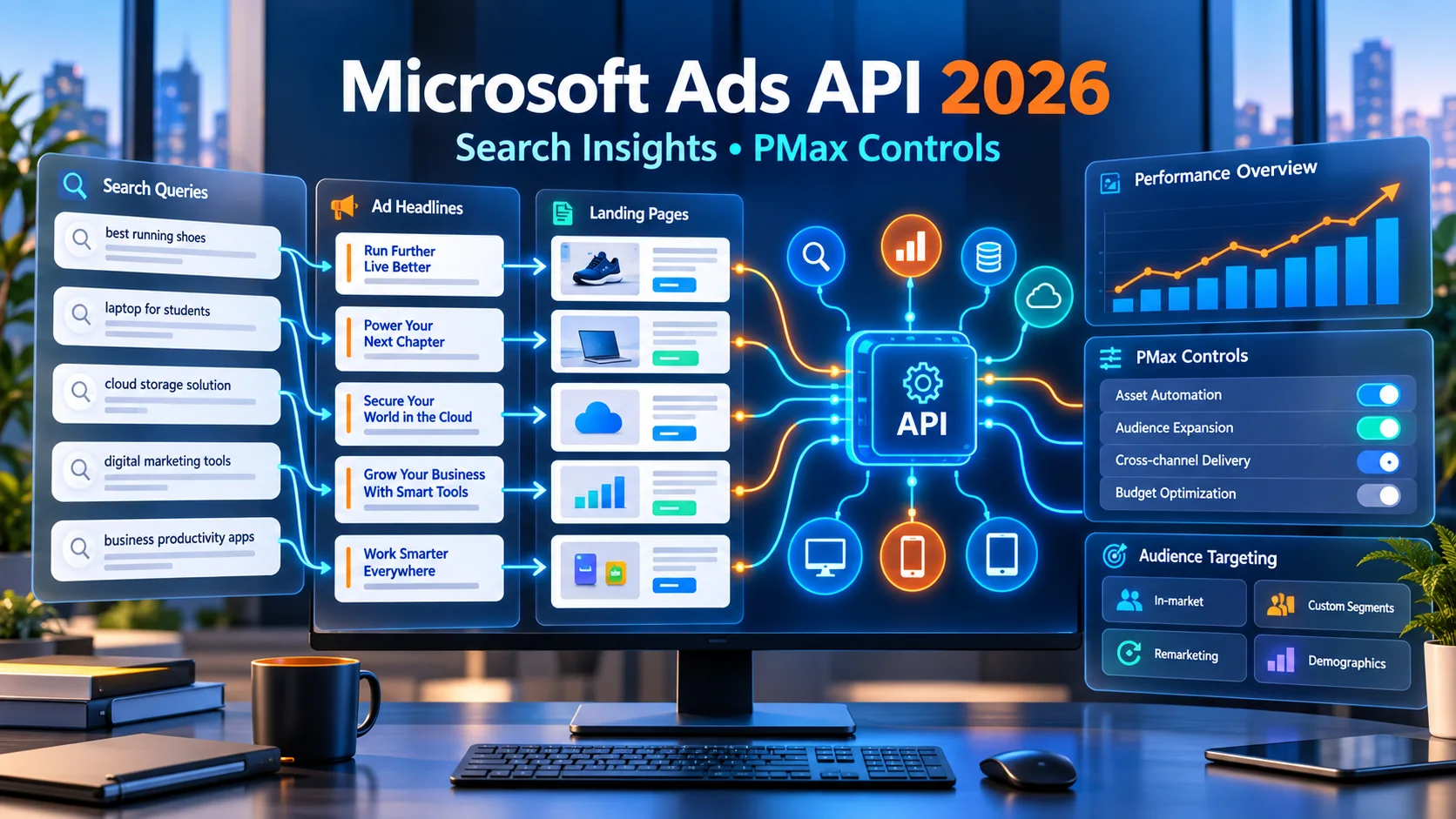
Microsoft Ads API में बड़ा अपडेट: Search Reporting और PMax Controls को आसान हिंदी में समझें
Microsoft Advertising API में Search Term Landing Page Report, Performance Max device exclusions और LinkedIn-based targeting support जैसे बदलाव आए हैं। आसान हिंदी में समझिए कि advertisers, agencies और developers इनका सही उपयोग कैसे कर सकते हैं।
5 · Read blog
नए E-commerce Rules से Brand Advertising कैसे बदल सकती है? Discount, Sponsored Listing और 30-Day Price की पूरी Guide
भारत में report किए गए नए e-commerce transparency rules brands की discount strategy, sponsored listings, price history और campaign approval process को कैसे बदल सकते हैं—आसान हिंदी में विस्तृत analysis।
4 · Read blog
Comments 0
No comments yet. Be the first to share a useful thought.
Leave a comment
Your email address will not be published. Comments are reviewed before appearing. Web addresses are displayed as plain text and are never clickable.