

नए E-commerce Rules से Brand Advertising कैसे बदल सकती है? Discount, Sponsored Listing और 30-Day Price की पूरी Guide
भारत में report किए गए नए e-commerce transparency rules brands की discount strategy, sponsored listings, price history और campaign approval process को कैसे बदल सकते हैं—आसान हिंदी में विस्तृत analysis।
Online shopping में “70% off”, “limited-time deal” और search results में ऊपर दिखाई देने वाला product consumer का attention जल्दी खींचते हैं। लेकिन बड़ा discount badge हमेशा वास्तविक बचत साबित नहीं करता और product का top position organic relevance के बजाय paid promotion का परिणाम हो सकता है। इसी gap को कम करने के लिए report किए गए नए e-commerce transparency requirements में reference price, sponsored placement और marketplace ranking की जानकारी अधिक स्पष्ट करने की बात सामने आई है।
Brands और sellers के लिए यह केवल ad creative बदलने का विषय नहीं है। अगर reported framework final notification में इसी direction में लागू होता है, तो pricing database, promotion calendar, marketplace feed, approval workflow, legal review और campaign measurement—सभी को एक साथ बदलना पड़ सकता है। इस guide में संभावित बदलावों को practical examples, checklists और implementation plan के साथ समझाया गया है।

महत्वपूर्ण verification note: Published reports इन बदलावों को Consumer Protection (E-Commerce) amendment और 1 January 2027 से लागू होने वाली व्यवस्था के रूप में describe करती हैं। लेख तैयार करते समय Department of Consumer Affairs की public rules index पर Consumer Protection (E-Commerce) Rules, 2020 और 2021 amendment उपलब्ध थे, लेकिन described 2026 notification उस public index पर independently verify नहीं हो सकी। इसलिए business को final Gazette notification, commencement date और exact legal wording अपने legal adviser या official government publication से confirm करनी चाहिए। यह article legal advice नहीं है।
Quick summary: brands के लिए क्या बदल सकता है?
| Reported area | पुराना common practice | संभावित नई expectation | Brand action |
|---|---|---|---|
| Reference price | MRP या चुने हुए पुराने price से discount दिखाना | पिछले 30 दिनों के lowest offered price से reduction compare करना | SKU-level price history और claim engine बनाएं |
| Sponsored listing | Paid product organic results जैसा दिखाई दे सकता है | Paid placement को prominent disclosure देना | Ad label, placement और mobile visibility audit करें |
| Ranking transparency | Ranking logic consumer को अस्पष्ट | Main ranking parameters और relative importance explain करना | Marketplace disclosures और seller communication review करें |
| Promotion planning | Event से ठीक पहले reference price बदलना | 30-day history के कारण longer planning horizon | Festive calendar कम-से-कम 45–60 दिन पहले lock करें |
| Evidence | Campaign screenshot और final creative तक सीमित record | Price history, approval और claim evidence का audit trail | Marketing, finance, tech और legal records connect करें |
| Performance | Placement और clicks पर focus | Incremental sales, trust और claim accuracy पर अधिक focus | ROAS के साथ margin, returns और incrementality measure करें |
“Prior price” या 30-day lowest price का अर्थ क्या हो सकता है?
Reports में सबसे महत्वपूर्ण concept “prior price” है। इसका practical अर्थ यह बताया गया है कि advertised price reduction को preceding 30 days में product जिस सबसे कम price पर offer हुआ था, उससे compare किया जाए। Exact scope—coupon, member price, bank offer, region-specific price, bundle या flash sale शामिल होगी या नहीं—final legal text और official clarification पर निर्भर करेगा।
उदाहरण के लिए किसी product का MRP ₹4,999 है। पिछले 30 दिनों में उसका regular selling price ₹3,499 था, लेकिन एक weekend पर ₹2,999 में offer हुआ। आज seller उसे ₹2,899 में बेच रहा है। MRP से तुलना करने पर discount लगभग 42% दिख सकता है, लेकिन reported 30-day-low approach में relevant reduction ₹2,999 से ₹2,899 यानी लगभग 3.3% हो सकती है। यही difference marketing headline को materially बदल देता है।
| Price signal | Amount | क्या बताता है? |
|---|---|---|
| MRP | ₹4,999 | Maximum retail reference; वास्तविक recent selling price नहीं |
| Usual selling price | ₹3,499 | Product आम तौर पर किस range में उपलब्ध था |
| Previous 30-day lowest offer | ₹2,999 | Reported framework में संभावित discount reference |
| Current selling price | ₹2,899 | आज customer को product price |
| Current saving versus 30-day low | ₹100 | Relevant genuine reduction, subject to final rules |
Discount creative अब data product क्यों बन जाएगा?
पहले marketing team spreadsheet या marketplace panel से current price लेकर banner बना सकती थी। 30-day reference logic लागू होने पर banner publish करने से पहले system को हर SKU का historical lowest eligible price निकालना होगा। इसका मतलब discount percentage एक manually typed creative element नहीं, बल्कि governed data field बन जाएगा।
- हर SKU, pack size और variant की daily price snapshot store करें।
- Coupon, seller-funded offer, platform-funded offer और bank discount को अलग fields में रखें।
- Applicable geography, customer segment और membership condition record करें।
- Campaign date पर eligible 30-day window calculate करें।
- Creative में जाने वाले price और percentage को automated validation से pass करें।
- Approval के समय calculation, source data और final screenshot archive करें।
AFShop का coupon और discount value guide भी बताता है कि headline percentage के बजाय final checkout total क्यों अधिक उपयोगी signal है।
Sponsored listing disclosure से ad design कैसे बदलेगा?
Marketplace search में paid product को साफ और prominent तरीके से sponsored बताना consumer को organic relevance और purchased visibility के बीच अंतर समझने में मदद करता है। केवल tiny grey label, hover-only explanation या mobile screen पर fold के बाहर disclosure पर्याप्त समझा जाएगा या नहीं, यह final requirements पर निर्भर करेगा; फिर भी brands को readable disclosure को design constraint मानकर planning करनी चाहिए।
| Placement | Audit question | Better practice |
|---|---|---|
| Search result card | क्या label card देखते ही पढ़ा जा सकता है? | Product title के पास persistent disclosure |
| Category carousel | क्या first और repeated cards पर status clear है? | हर paid card पर consistent marking |
| Recommendation widget | क्या commercial influence explain है? | Widget heading और card-level cue |
| Mobile app | क्या small screen पर label truncate होता है? | Responsive minimum size और contrast test |
| Influencer/creator commerce | क्या affiliate relationship visible है? | Content और checkout journey दोनों में disclosure |
| Voice or AI assistant result | क्या paid recommendation spoken या displayed है? | Interaction के उसी stage पर clear disclosure |
Ranking transparency का brands पर क्या असर होगा?
Marketplace ranking कई signals से बन सकती है—query relevance, price, availability, delivery speed, seller performance, rating, returns और paid promotion। अगर platform को principal ranking parameters explain करने पड़ते हैं, तो seller को यह अधिक स्पष्ट हो सकता है कि केवल ad budget से sustainable visibility नहीं बनती। Listing quality और operational performance फिर भी महत्वपूर्ण रहेंगे।
इससे agencies को “top rank guarantee” जैसे claims से बचना चाहिए। बेहतर service promise यह होगा कि वे feed accuracy, content relevance, stock health, campaign efficiency और conversion quality improve करेंगी। Organic और paid performance को अलग report करना भी जरूरी होगा। Product discovery की broader strategy के लिए AI Search और Ecommerce SEO guide पढ़ी जा सकती है।
Brand economics: discount कम होगा या केवल smarter बनेगा?
Transparent reference pricing का मतलब sale खत्म होना नहीं है। इसका मतलब sale को वास्तविक price movement और demonstrable consumer value से support करना होगा। Brand केवल बड़ा percentage दिखाने के बजाय निम्न value levers पर focus कर सकता है:
- Useful bundles जिनमें complementary products हों।
- Exchange benefit और transparent eligibility।
- No-cost EMI या financing की total cost का clear disclosure।
- Extended warranty, installation या after-sales service।
- Loyalty points जिनकी redemption value समझ में आए।
- Exclusive pack size या differentiated product, ताकि comparison fair रहे।
- Faster delivery या easier returns जैसी non-price value।
यह shift margin के लिए भी useful हो सकता है। लगातार deep discount customer को full price पर purchase करने से रोक सकता है। Bundles, service और loyalty value price integrity बनाए रखते हुए conversion improve कर सकते हैं।
Festive sale planning कैसे बदल सकती है?
अगर festive sale 15 October को शुरू होती है, तो relevant 30-day period में September की price activity महत्वपूर्ण होगी। Event से ठीक पहले price बढ़ाकर फिर बड़ा discount दिखाने की strategy risk create कर सकती है। Marketing calendar को inventory, finance और marketplace promotion calendar से पहले align करना होगा।
| Timeline | Recommended action |
|---|---|
| 60 days before | Participating SKU, inventory, target margin और value proposition decide करें |
| 45 days before | Price guardrails और coupon architecture approve करें |
| 30 days before | Reference window monitoring freeze नहीं, बल्कि daily governance में रखें |
| 14 days before | Creative claims को current price history से pre-validate करें |
| 48 hours before | Feed, landing page, sponsored label और stock final check करें |
| During event | Price drift, coupon stacking, stock और disclosure continuously monitor करें |
| After event | Evidence archive, returns, margin और incremental sales review करें |
कौन-सी price data architecture चाहिए?
| Field | क्यों जरूरी है? | Example |
|---|---|---|
| SKU and variant ID | Different size/color prices mix न हों | SHOE-BLK-08 |
| Timestamp and timezone | 30-day window सही calculate हो | IST date-time |
| Channel | Own site और marketplace prices separate रहें | Web, app, marketplace |
| Base selling price | Public product price track हो | ₹1,499 |
| Coupon price | Conditional offer अलग रहे | ₹1,399 with code |
| Payment offer | Bank-specific benefit identify हो | 10% selected card |
| Customer eligibility | Member/new-user price को universal न मानें | New account only |
| Stock state | Unavailable price misleading reference न बने | In stock/out of stock |
| Approval record | Claim किसने और कब approve किया | Campaign ID and reviewer |
Marketplace और seller की responsibility कैसे divide होगी?
Reports के अनुसार platform sponsored-listing disclosure और ranking explanation के लिए responsible हो सकता है, जबकि seller अपने product, price और promotion claim के लिए accountable रह सकता है। लेकिन actual responsibility इस बात पर depend करेगी कि representation किसने बनाई, price किसने control किया और customer को claim किस interface पर दिखा।
Contract में कम-से-कम data ownership, disclosure rendering, approval responsibility, error correction, evidence retention और complaint handling define होना चाहिए। Marketplace-generated badge seller की गलत feed से बना हो तो investigation दोनों systems तक जा सकती है। इसलिए “platform ने दिखाया था” एक complete control नहीं है।
Marketing, legal, finance और tech का नया workflow
| Team | Primary responsibility | Approval evidence |
|---|---|---|
| Marketing | Message, audience और campaign intent | Creative brief and final assets |
| Merchandising | SKU, stock, pack और channel selection | Promotion assortment |
| Finance | Margin, funding और offer economics | Approved price guardrail |
| Technology | Price history, rule engine और feed accuracy | Calculation log and data snapshot |
| Legal/compliance | Claim, disclosure और contract review | Versioned approval |
| Marketplace team | Platform settings और paid placement | Campaign setup screenshot/API log |
| Analytics | Incrementality, margin और consumer response | Post-campaign report |
Advertising measurement में कौन-से metrics जोड़ें?
Paid placement को केवल impressions, clicks और attributed ROAS से evaluate करना incomplete हो सकता है। Transparent environment में marketer को यह देखना होगा कि paid visibility ने वास्तव में additional demand बनाई या organic sales को केवल paid channel में re-label किया।
| Metric | क्या बताता है? |
|---|---|
| Incremental sales | Ads के बिना expected baseline से कितनी extra sale हुई |
| Contribution margin | Discount, ad cost, fulfilment और return के बाद value |
| New-to-brand rate | Campaign ने नए customers लाए या existing demand खरीदी |
| Repeat purchase | Promotion के बाद customer quality |
| Return/cancellation rate | Claim और product expectation match हुई या नहीं |
| Price-claim error rate | Creative और checkout में mismatch कितनी बार हुआ |
| Disclosure visibility | Sponsored label different devices पर properly rendered है या नहीं |
Metrics को पूरे funnel में पढ़ने के लिए AFShop ecommerce metrics guide उपयोगी framework देती है।
D2C brands के लिए practical impact
D2C brand अक्सर own website, marketplaces, quick-commerce apps, creator affiliate links और social commerce पर अलग-अलग price चलाता है। सबसे बड़ी operational challenge यह होगी कि channel-specific offers को central history में कैसे reconcile किया जाए। यदि new-customer coupon केवल selected users को मिलता है, तो क्या वह general prior price का हिस्सा है? यदि marketplace ने seller की approval के बिना bank promotion add किया, तो कौन-सा reference लागू होगा? इन questions का answer final notified text से ही तय होगा।
अभी से safe preparation यह है कि हर channel की price, eligibility और funding source structured form में record की जाए। इससे future compliance के साथ margin analysis भी बेहतर होगा।
Small sellers को क्या करना चाहिए?
- Daily product price export सुरक्षित रखें; केवल current panel पर निर्भर न रहें।
- MRP और selling price को अलग समझें और false urgency से बचें।
- Coupon terms plain language में लिखें—minimum cart, cap, expiry और exclusions।
- Marketplace ad campaign के screenshots और invoices archive करें।
- Product title, pack size और variant data consistent रखें।
- Price update करने वाले staff और agency access का log रखें।
- Final checkout पर delivery fee और other charges review करें।
- Official notification आने पर qualified professional से applicability confirm करें।
90-day readiness plan
| Phase | Work | Output |
|---|---|---|
| Days 1–15: Discovery | Channels, price sources, claims और owners map करें | Pricing and advertising inventory |
| Days 16–30: Data | SKU history, coupon और eligibility capture शुरू करें | Reliable price-history table |
| Days 31–45: Rules | Claim calculator और exception workflow design करें | Draft promotion policy |
| Days 46–60: Creative | Sponsored labels और discount templates test करें | Responsive approved components |
| Days 61–75: Integration | Marketplace feeds, approvals और archive connect करें | End-to-end audit trail |
| Days 76–90: Simulation | One campaign को new controls के साथ dry-run करें | Gap report and remediation list |
Pre-launch campaign checklist
- Final notified rule और applicability verified है।
- Product, variant और channel का 30-day history complete है।
- Displayed discount approved calculation से match करता है।
- Coupon, bank offer और membership condition अलग disclose हैं।
- Sponsored label desktop और mobile दोनों पर visible है।
- Landing page, cart और checkout price consistent हैं।
- Stock और delivery promise accurate है।
- Creative, data snapshot और approvals archive किए गए हैं।
- Monitoring alert price या feed change पर trigger होगा।
- Customer complaint और correction owner assigned है।
Consumers को क्या फायदा हो सकता है?
Clear reference pricing से buyer यह बेहतर समझ सकता है कि offer वास्तव में recent price से कम है या केवल MRP के मुकाबले बड़ा दिखाया गया है। Sponsored label product discovery में commercial influence स्पष्ट करता है। Ranking explanation consumer को यह समझने में मदद कर सकती है कि top result हमेशा objectively best product नहीं होता।
फिर भी buyer को final checkout amount, seller, availability, return terms, warranty और recent reviews check करने चाहिए। कोई भी badge alone product quality या best value guarantee नहीं करता।
Final takeaway
Reported e-commerce transparency changes का सबसे बड़ा असर ad copy से अधिक operating model पर होगा। Accurate promotion के लिए historical price data, clear eligibility, prominent paid-placement disclosure और cross-team approval जरूरी होंगे। जो brand अभी से price governance और evidence trail बनाता है, वह केवल compliance risk कम नहीं करेगा; वह consumer trust, margin discipline और campaign measurement भी improve कर सकता है।
लेकिन action plan बनाते समय reported summary को final law न मानें। Official Gazette notification, effective date, definitions और sector-specific guidance verify करें। इसके बाद policy को अपने products, channels और contracts के अनुसार qualified legal advice के साथ लागू करें।
Article at a glance
| Written by | Ananya Iyer |
|---|---|
| Published | 28 Sep 2026, 12:15 PM IST |
| Reading time | 13 minutes |
| Topic | Ecommerce research and practical guidance |
Frequently Asked Questions
क्या भारत में 30-day lowest price rule officially लागू हो चुका है?
Published reports इस direction और 1 January 2027 commencement का उल्लेख करती हैं, लेकिन article preparation के समय described 2026 notification Department की public rules index पर independently verify नहीं हुई। Final Gazette notification और exact effective date official source या legal adviser से confirm करें।
Prior price का क्या अर्थ बताया गया है?
Reported framework में advertised reduction को preceding 30 days में product के lowest offered price से compare करने की बात है। Coupons, member prices और payment offers की exact treatment final notified wording पर निर्भर करेगी।
क्या brands discount देना बंद कर देंगे?
नहीं। Discount जारी रह सकते हैं, लेकिन headline saving को reliable historical price से support करना पड़ सकता है। Brands bundles, exchange, financing, service और loyalty value पर भी अधिक focus कर सकते हैं।
Sponsored listing को कैसे दिखाना चाहिए?
Paid placement का disclosure clear, prominent और उस product card या recommendation के साथ visible होना चाहिए। Exact label, size और placement final rules तथा platform implementation पर निर्भर करेंगे।
Small seller अभी से कौन-सा record रखे?
Daily SKU price, coupon terms, customer eligibility, marketplace campaign settings, approval records और final creative snapshots archive करें। Variant और channel को अलग पहचानना जरूरी है।
MRP से discount दिखाना गलत होगा?
यह final law और specific facts पर निर्भर करेगा। Reported prior-price approach recent lowest offered price को relevant reference बनाती है, इसलिए केवल MRP-based headline पर्याप्त या appropriate न हो सकती है।
Marketplace और seller में कौन responsible होगा?
Responsibility इस बात पर depend कर सकती है कि price या representation किसने control किया। Platform disclosure और ranking के लिए, seller product और pricing claims के लिए responsible हो सकता है; contracts और final law review करें।
Marketing team को कौन-से नए metrics देखने चाहिए?
ROAS के साथ incremental sales, contribution margin, new-to-brand rate, returns, price-claim errors और disclosure visibility track करें। इससे paid visibility की वास्तविक value समझ आती है।

Ananya Iyer
Online Commerce WriterAnanya covers online commerce, customer trust and the information readers need before acting on a deal or recommendation.
View author profileRead More Blogs

Meta Ads Guide 2026: Facebook और Instagram Advertising कैसे शुरू करें?
Facebook और Instagram पर Meta Ads शुरू करने की complete Hindi guide—account setup, objectives, audience, budget, placements, creatives, measurement और India-specific launch plan।
2 · Read blog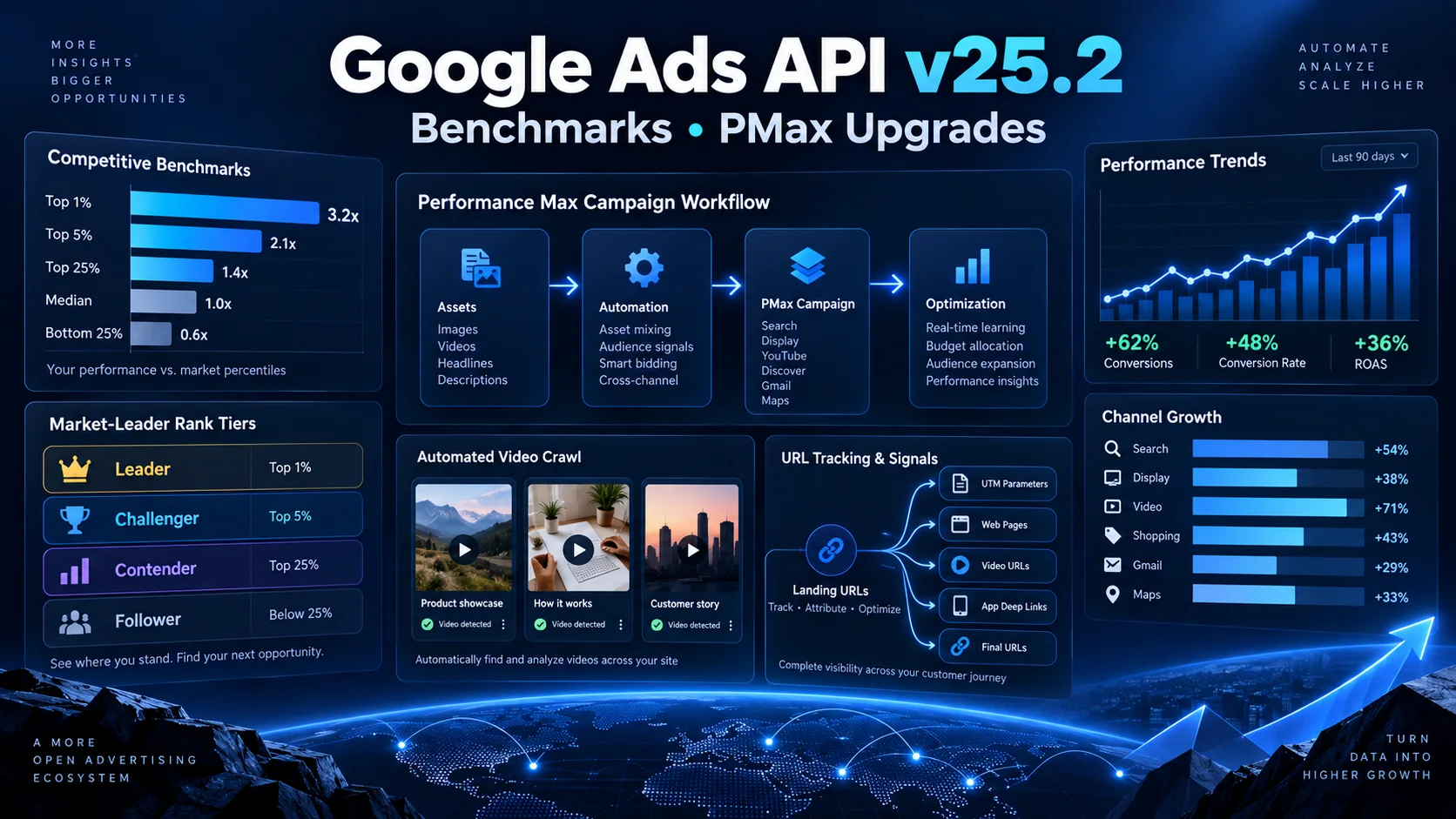
Google Ads API v25.2 में क्या नया है? Competitive Benchmarks और PMax Upgrades को आसान हिंदी में समझें
Google Ads API v25.2 में competitive percentile benchmarks, Performance Max video crawl, asset-group URL tracking और Smart Campaign से PMax draft बनाने जैसे बदलाव आए हैं। Advertisers, agencies और developers के लिए इन updates का practical मतलब आसान हिंदी में समझें।
11 · Read blog
Microsoft Ads API में बड़ा अपडेट: Search Reporting और PMax Controls को आसान हिंदी में समझें
Microsoft Advertising API में Search Term Landing Page Report, Performance Max device exclusions और LinkedIn-based targeting support जैसे बदलाव आए हैं। आसान हिंदी में समझिए कि advertisers, agencies और developers इनका सही उपयोग कैसे कर सकते हैं।
5 · Read blog
IndiaMART पर Sales कैसे बढ़ाएं? 15 Practical B2B Lead Conversion Strategies
IndiaMART पर product listings, buyer enquiries, lead qualification, quotations, follow-up, pricing, trust और sales metrics को improve करने की detailed Hindi guide।
4 · Read blog
Comments 0
No comments yet. Be the first to share a useful thought.
Leave a comment
Your email address will not be published. Comments are reviewed before appearing. Web addresses are displayed as plain text and are never clickable.